
SITUATION
The Victorian Civil and Administrative Tribunal (VCAT) is a tribunal that hears and decides civil and administrative legal cases in Victoria. Established in 1998, VCAT is the busiest tribunal in Australia and finalises more than 85,000 cases a year. The president of VCAT is a judge of the Supreme Court of Victoria and 13 judges from the County Court of Victoria serve as VCAT’s vice presidents.
VCAT offers assessable justice to the Victorian public. VCAT does this in a timely, cost, effective and efficient way by adopting new digital solutions, one of which is the Guardianship Hub (GHub). GHub allows users (the public) to make and track applications, upload documents, receive notices of hearing etc. It also creates efficiencies for VCAT by integrating the applications and keeping all the documents in one place. GHub v1.0 was a limited release to social workers and hospital coordinators at 6 hospitals. Now a project team was working to deliver GHub v2.0 in two month’s time and needed a change manager urgently. The project team faced some push backs from some business divisions, some judges as well as some aged workers. They needed a change manager to support the change process to ensure a smooth go-live of their 2.0 digital portal.
TASK
My task was to plan, coordinate and implement hands-on change management activities across the impacted business units, focusing on effective and successful transition of individuals and teams to the new ways of working, supporting the realisation of benefits to the organisation.
I also needed to draft communications to internal and external stakeholders, as well as support and empower the GHub champions (a network of change agents), coordinate and plan training activities and build successful working relationships with internal and external stakeholders.
ACTIVITIES
Summary of Change Management Activities

(1) Change Management Planning
GHub allows users (public) to make and track applications, upload documents and receive notices. 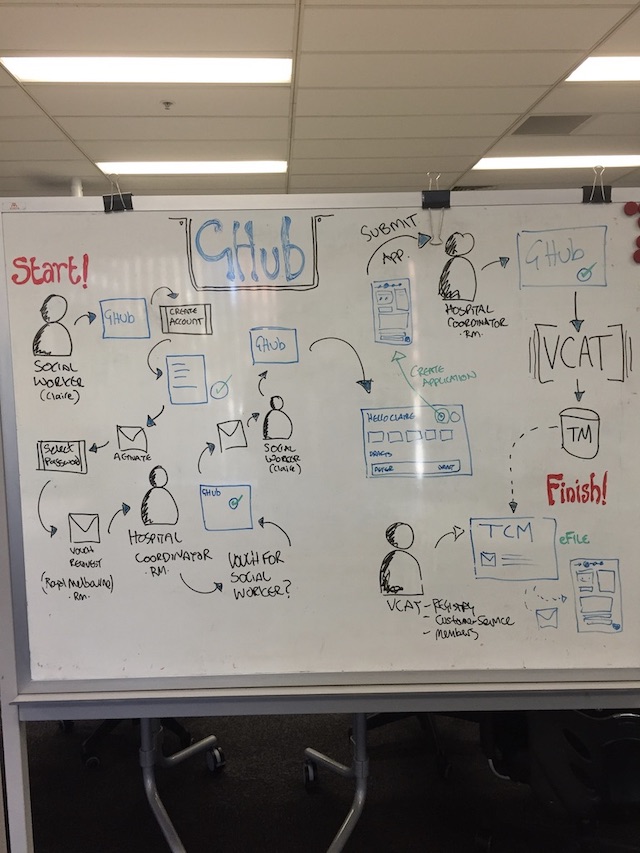
It also creates efficiencies for VCAT by integrating application, view applications and attach documents in one place. 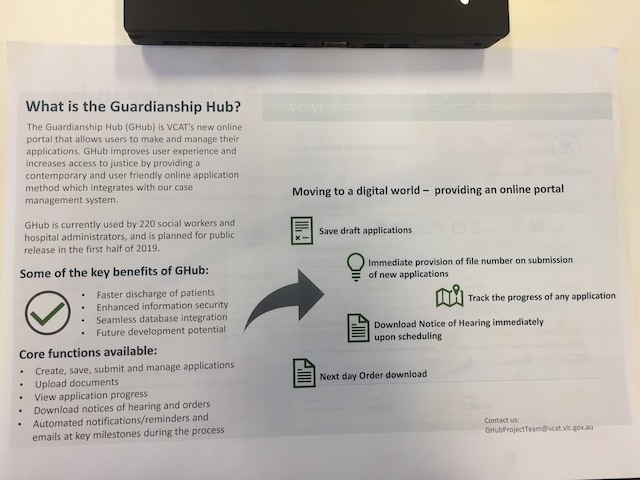
v1.0 was a limited release to social workers and hospital coordinators. v2.0 will expand it to the public. 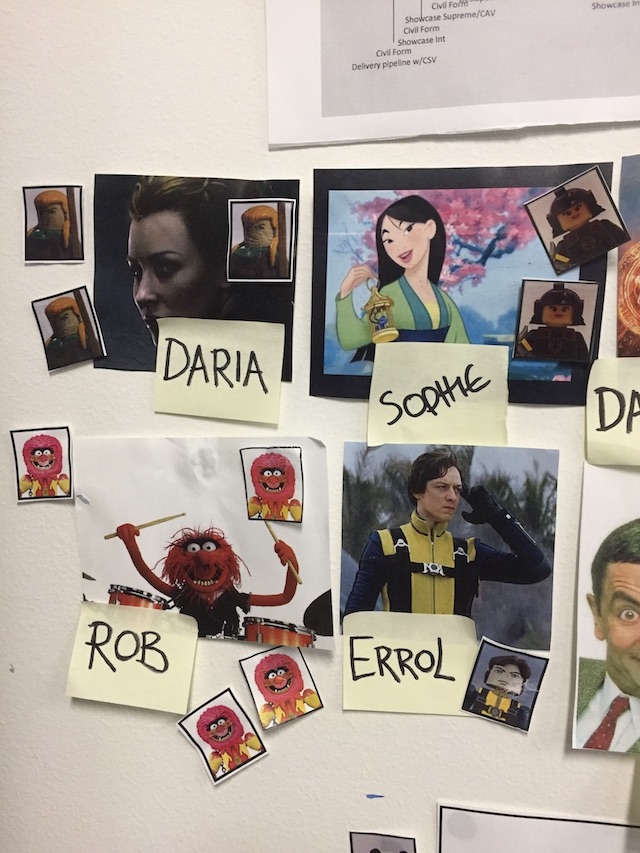
The project team was led by an internal staff and supported by external contracted experts 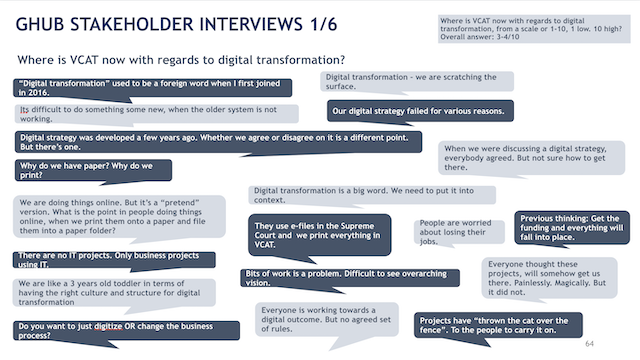
I organised one-to-one confidential interviews with 19 impacted stakeholders 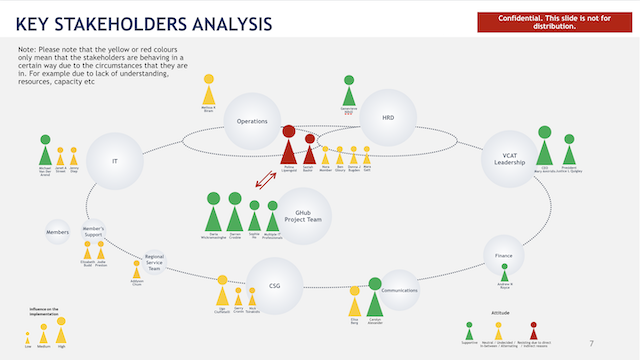
Developed a stakeholder mapping and analysis 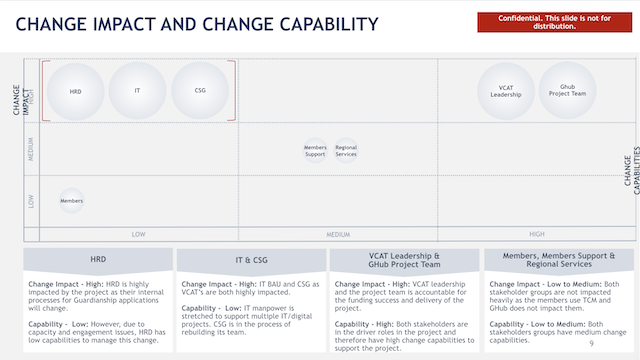
Made a change impact and capability assessment 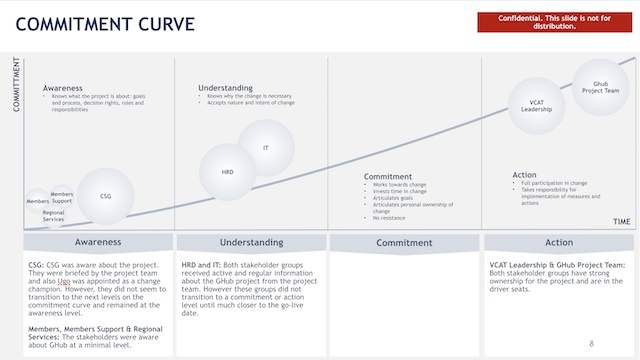
Mapped the key stakeholders onto a commitment curve 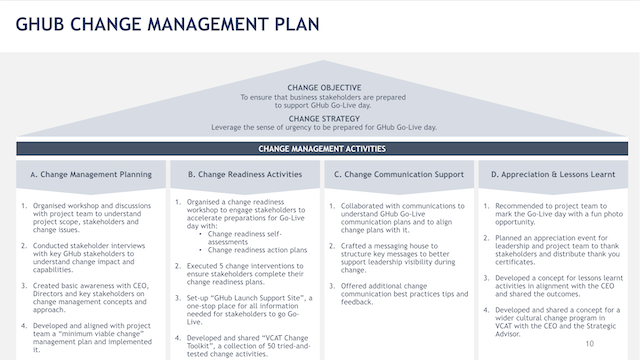
A summary of the change management plan
- I had 3 meetings with the project sponsor, the organisation’s CEO, to understand her expectations for the project outcomes, her concerns for the impacted stakeholders and to also clarify the change target. The key focus area became clear: ensure that the business was ready for go-live day.
- In parallel I organised 19 stakeholder interviews with impacted directors, managers, staff, supporting functions such as PMO, finance and communication and also with the project team to understand their views on the change, its impact to their business and their change readiness levels
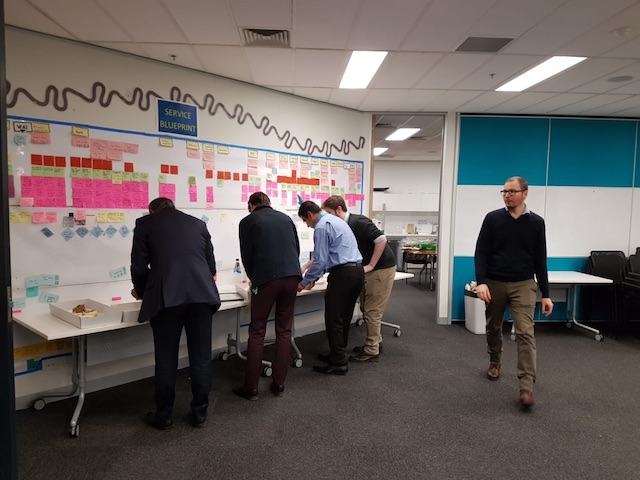
- I then organised two 2-hour mini-workshops with the project team to finalise a change impact assessment, a stakeholder analysis, a commitment curve and brainstormed a set of change activities and moulded them into a change management plan (see photos above), which I further aligned with the CEO separately.
- I utilised LEGO blocks to brainstorm the change activities with various stakeholders and displayed the final version outside the CEO’s office as a display model of the change process (see photos below).
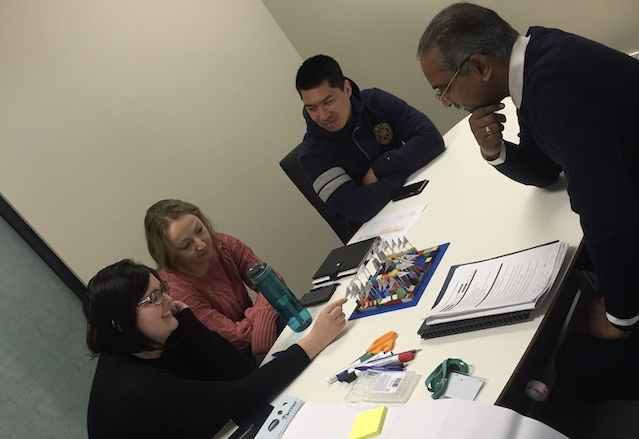
I introduced a LEGO model to brainstorm change solutions with stakeholders 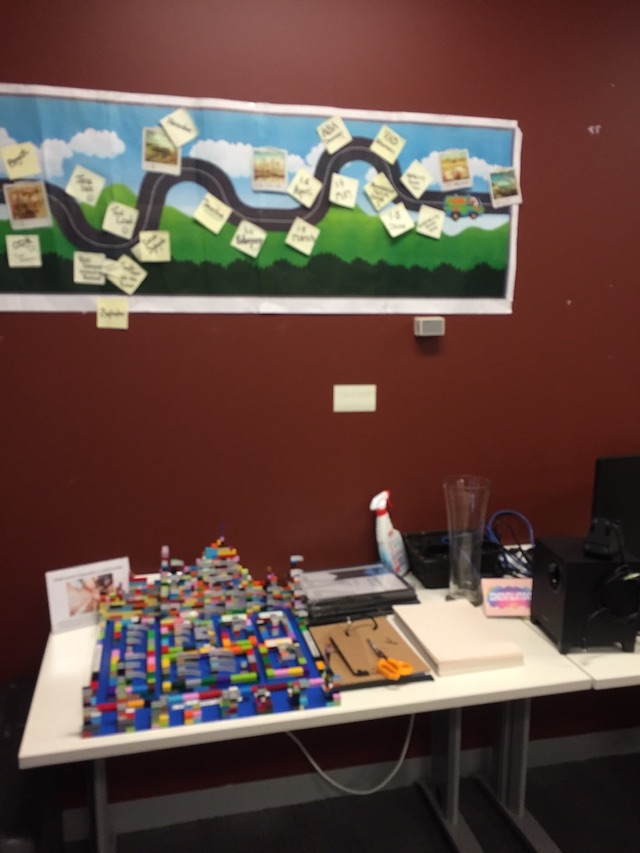
The LEGO model offered a complete big picture view of the project 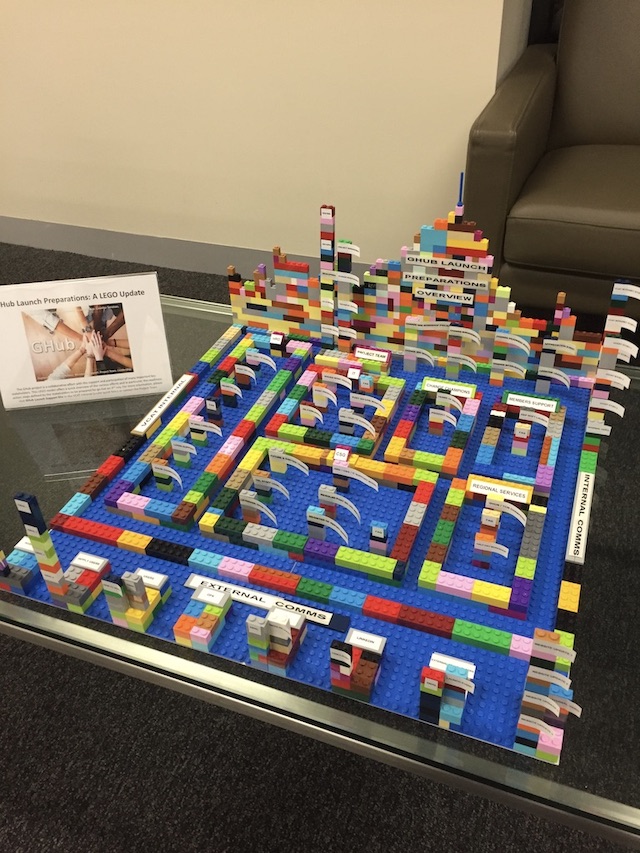
Project, change management and comm. activities were highlighted 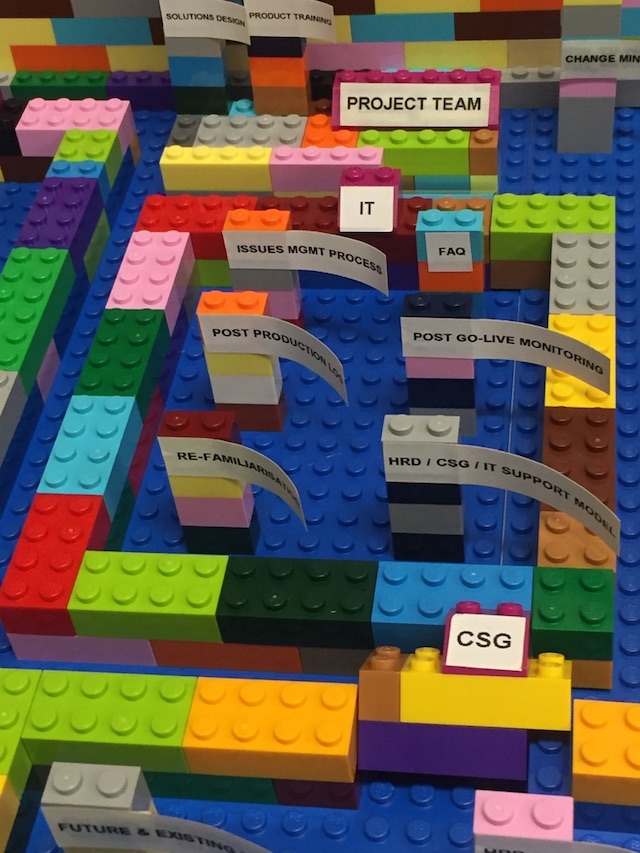
Activities were shown as flags within stakeholder’s change environment and could be moved, multiplied or modified
(2) Change Communication
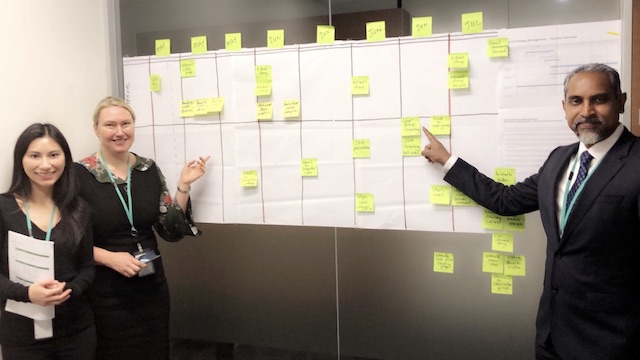
A mini workshop with the communications department 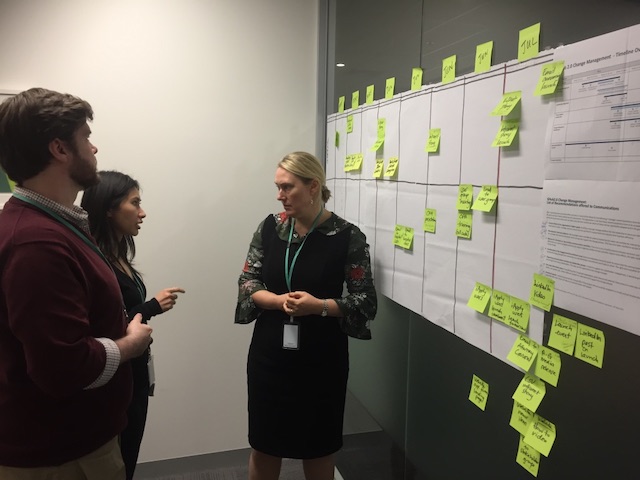
We reviewed the existing communication plans… 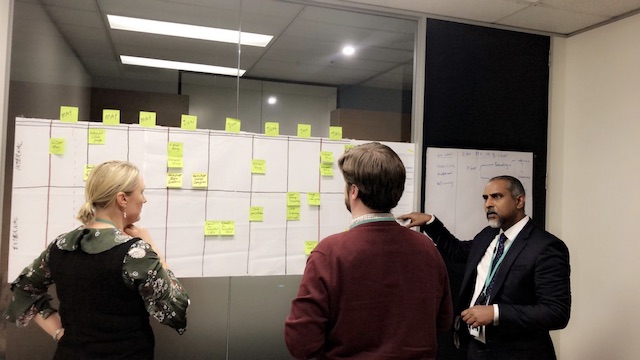
… and aligned them to the change activities. 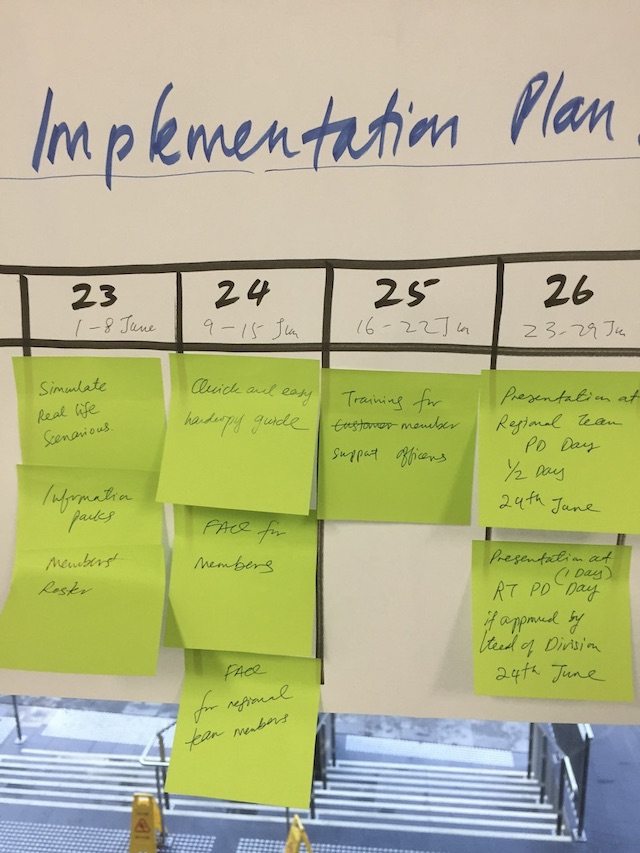
Weekly communication cum change management plan 
Aligned communication and change plan in one page 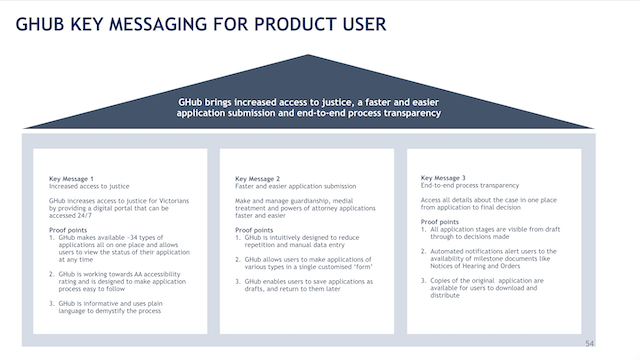
I further developed a set of key change messages for the leadership using a message house 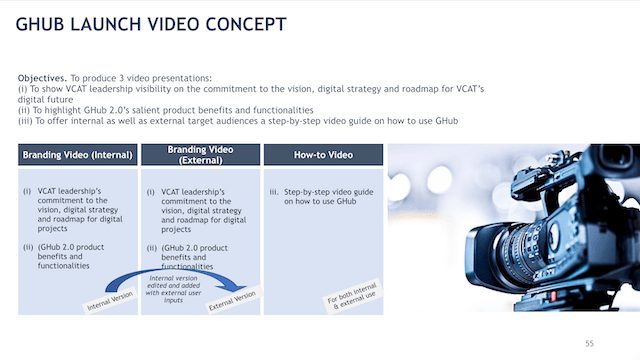
The project team had a budget for video production and supported by developing a concept for them 
Key change messages for various stakeholders for the video production 
List of change communication best practices for the communication department
- I organised a 2-hours mini workshop with the organisation’s communication function to understand their internal and external communication strategies and activities to support the project.
- From there I realised that more support was needed for internal communication and thus developed a change communication plan (see photos above) which I aligned with communication, the project team and the CEO
- The change communication plan had the following elements which I personally wrote and built:
- Set of key internal change messages for the CEO
- List of recommendations to the communication function on change communication including a concept to produce 3 videos
- A Confluence launch support website (see photos below) with dedicated space and FAQ for each stakeholder group
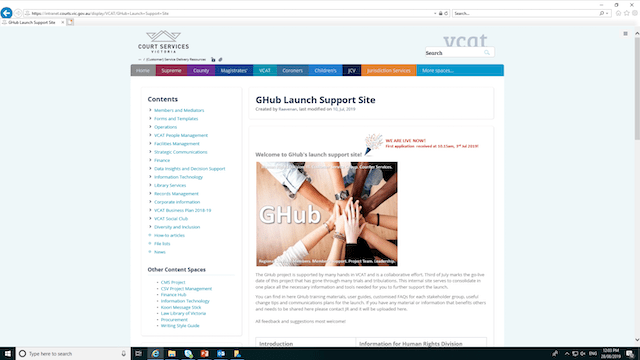
I created a launch support site using Confluence 
It pulled together existing and new information into one place 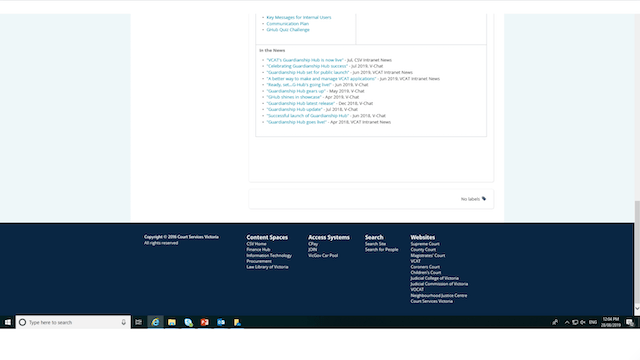
And was written in plain and easy to understand language 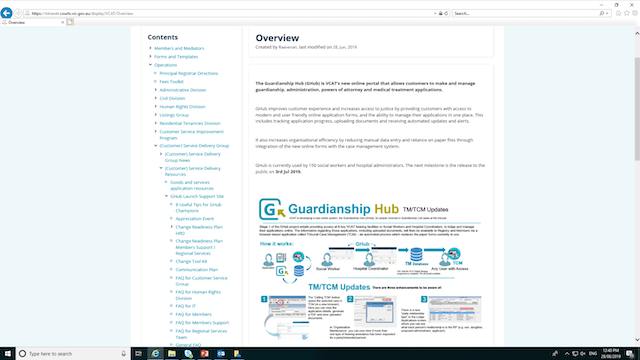
Overview page 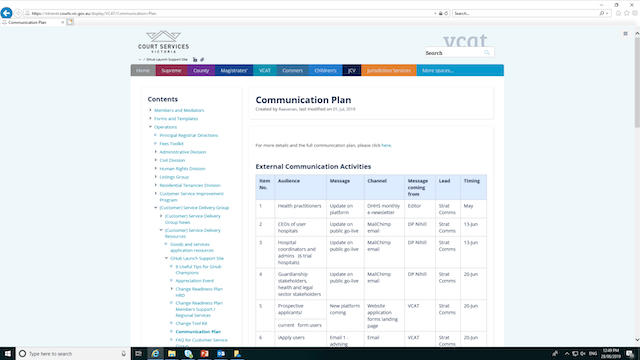
Communication plan explained 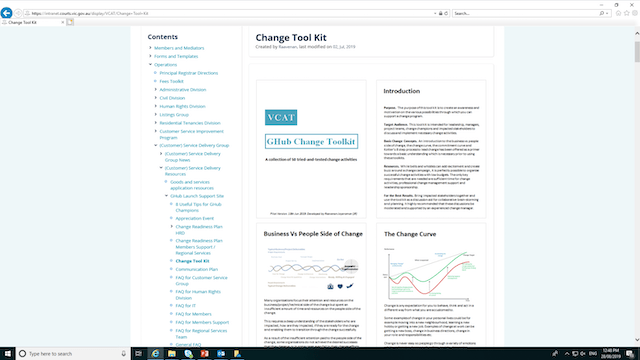
Introduction to change tools 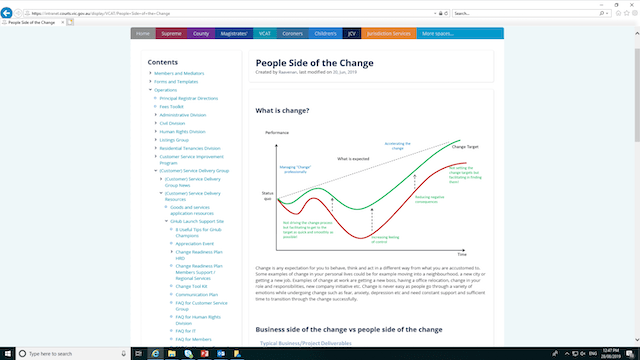
Basic change management tips 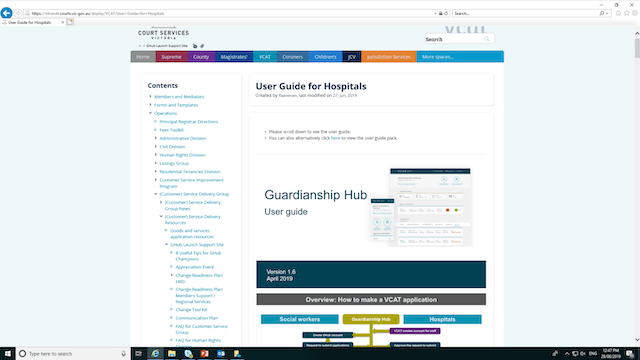
User guides for various groups 
Change readiness action plans of various stakeholders 
Information about the project team and project plan 
Customised tips for the various stakeholders 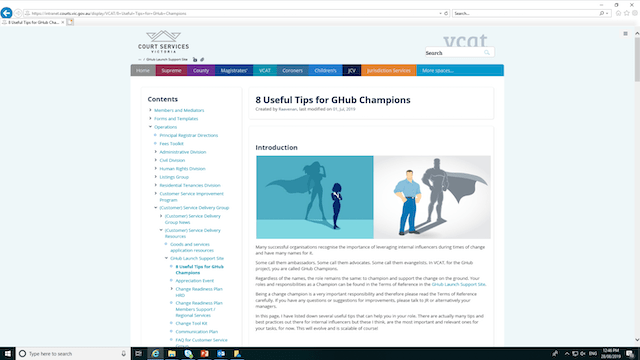
Change management tips for the change champions
(3) Change Activities
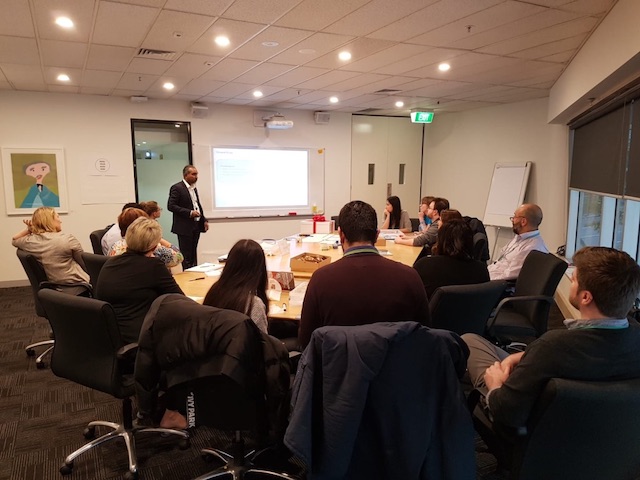
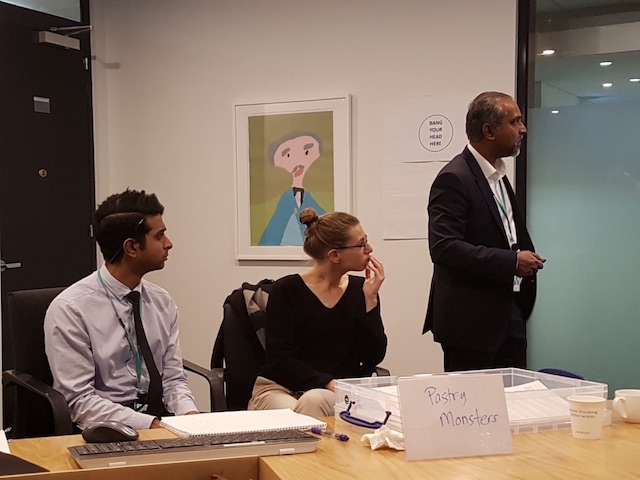
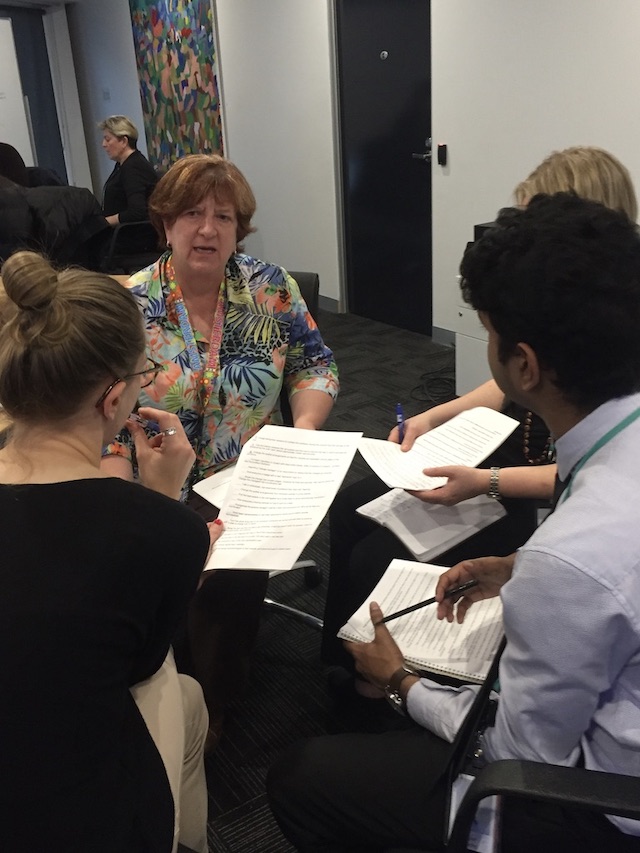
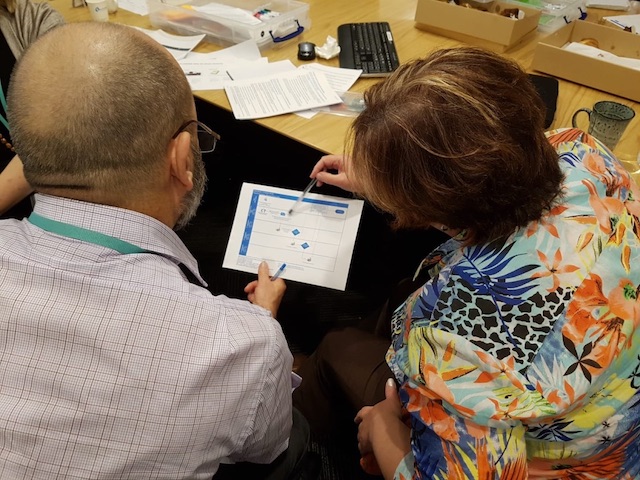
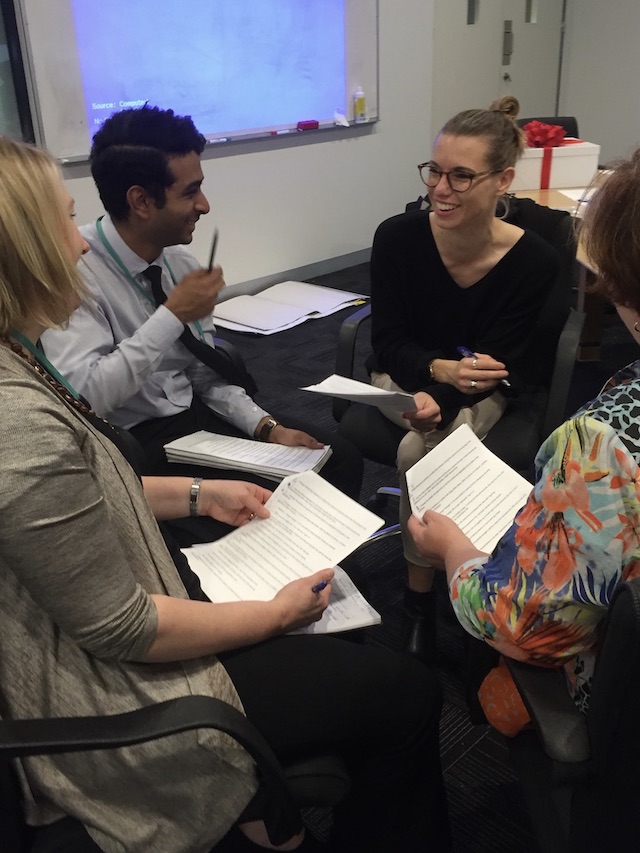
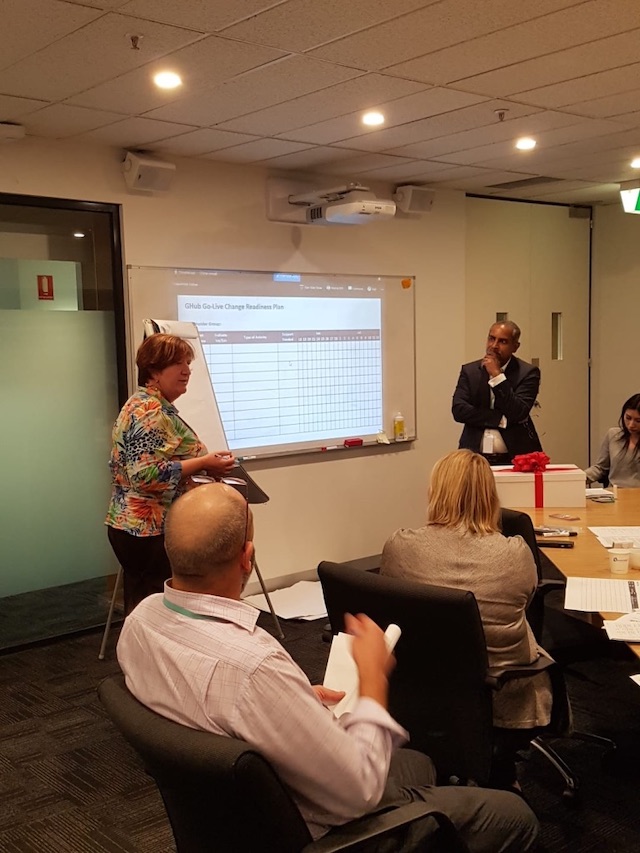
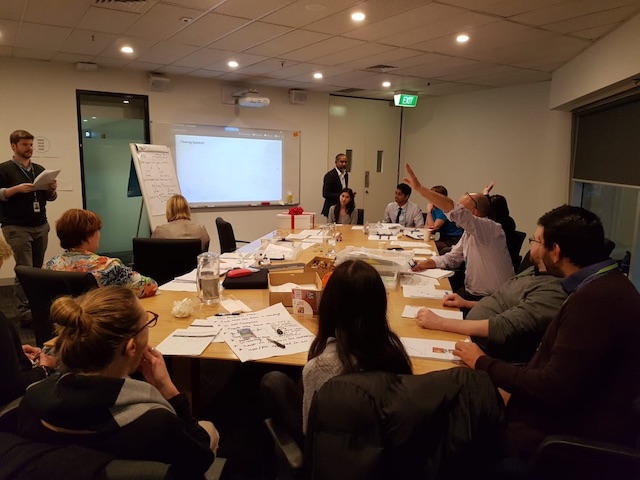
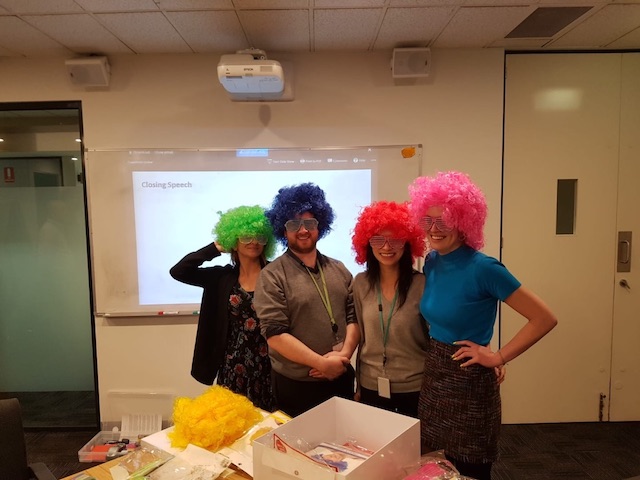
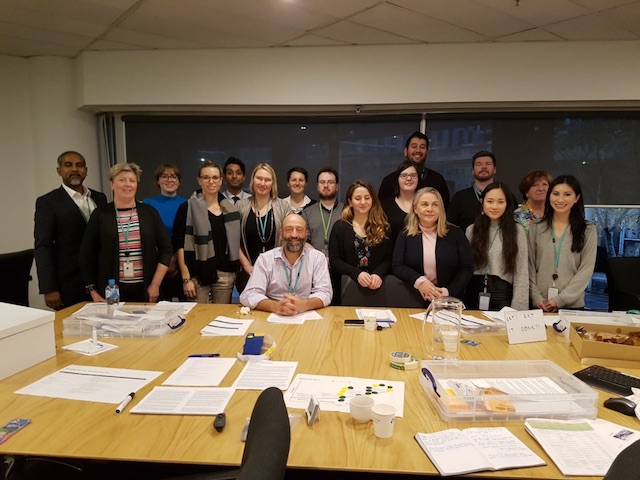
- I organised a half-day change readiness workshop (see photos above) for 27 stakeholders to built and strengthen their change readiness and leveraged the following tools in the workshop which I developed myself:
- A case study about a customer call centre’s change project which failed
- A change readiness self-assessment tool which participants use to assess themselves
- A change readiness action planning template to give a structure and timeline for planning
- An easy to use change tool kit with 50 change activities that I have used before
- I further followed up on the change readiness workshop with 5 change interventions with 4 impacted stakeholders to ensure that their change readiness plans were completed and implemented.
- I offered change management status updates in 4 management and PMO meetings in which I escalated potential risks and requested management for further support
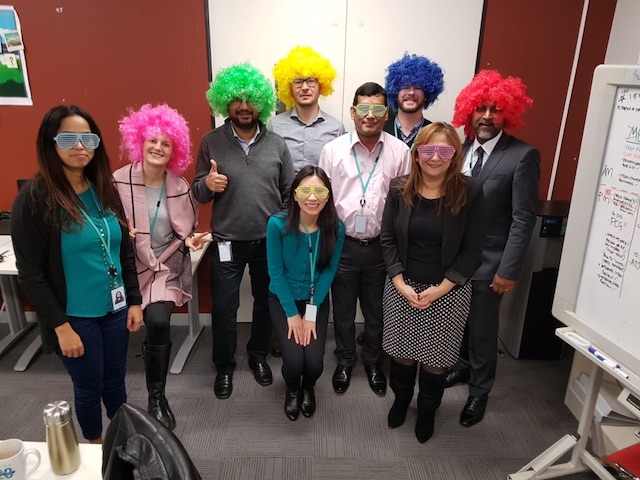
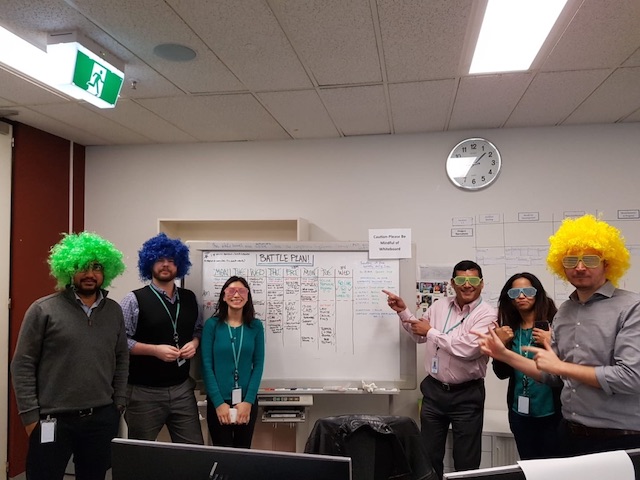
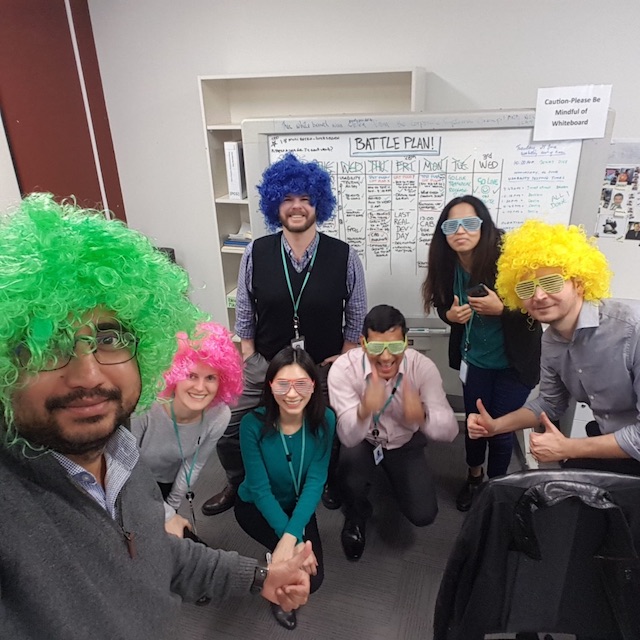
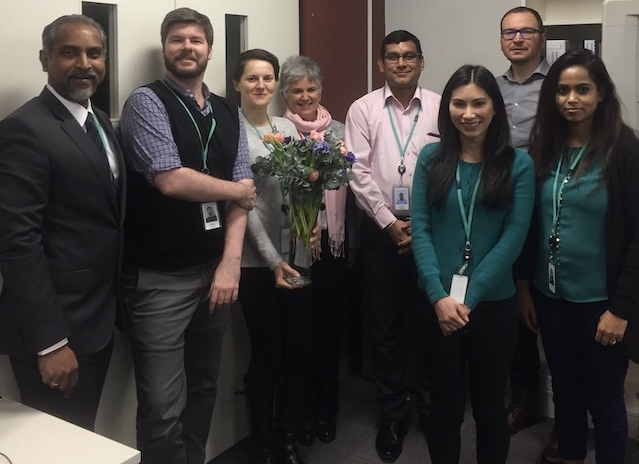
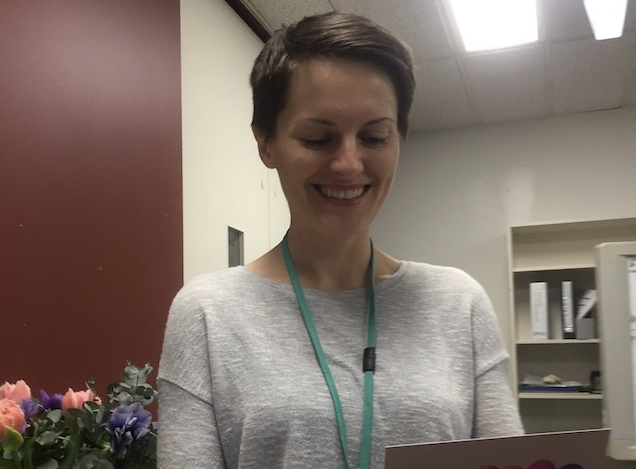
- I initiated a small appreciation event (see photos below) for the project team on Go-Live Day and helped them to mark the occasion with a cake, coffee and some fun group photo taking.
(4) Lessons Learnt

I created a lessons learnt workshop concept for staff, directors and IT staff 
I prepared the agenda, sent out invitations and organised 3 workshops 
This is a lessons learnt workshop with internal as well as project IT staff 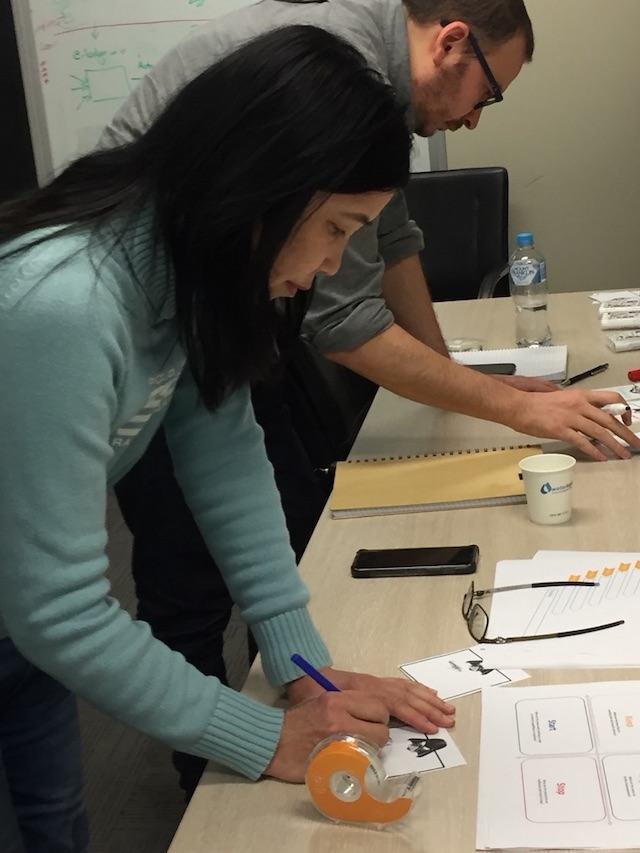
IT staff were encouraged to give 360 degrees feedback on all aspects of the project 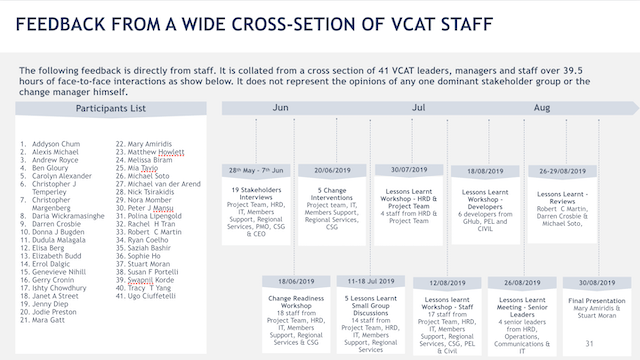
This is an overview of all feedback received from staff during the project 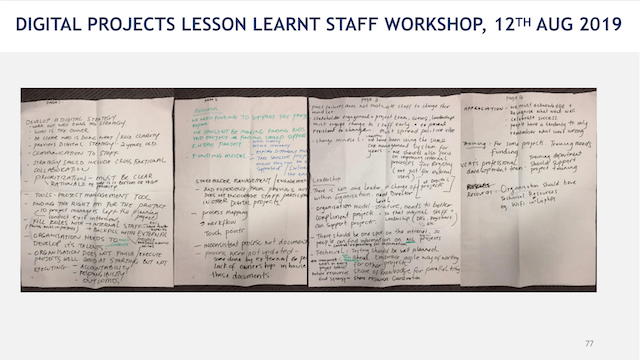
Part of the feedback from the lessons learnt workshop with staff 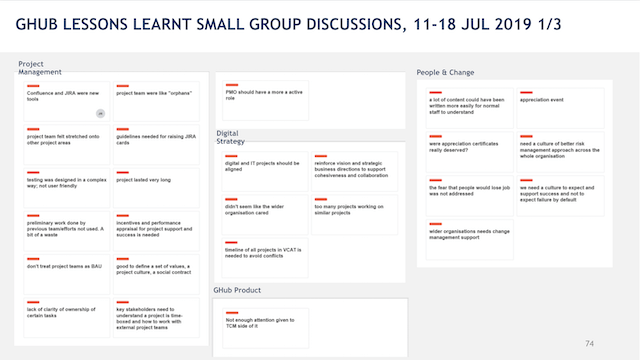
In addition to the workshops, 5 small group lessons learnt discussions were also held 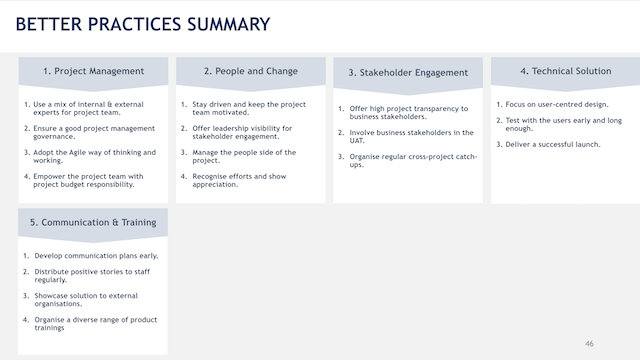
The lessons learnt workshops and discussions … 
… identified a set of best practices and areas for improvements
- I developed and organised lessons learnt discussion activities which consisted of:
- 5 lessons learnt small group discussions with HRD, IT and Project Team
- 3 lessons learnt workshops (see photos above) with managers and staff, developers and directors
- I consolidated all the feedback and recommendations for next steps into a final report, held 2 review sessions with the project team to discuss it and finally presented the 109-slide final report to the CEO and the Strategic Advisor
(5) Appreciation
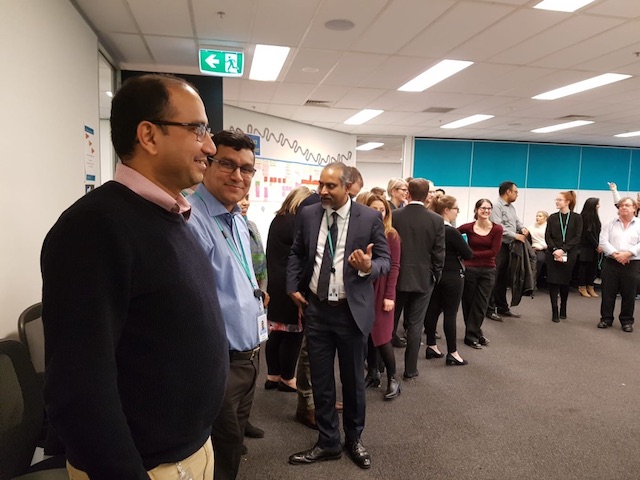
I added an appreciation event to the organisation’s launch plans 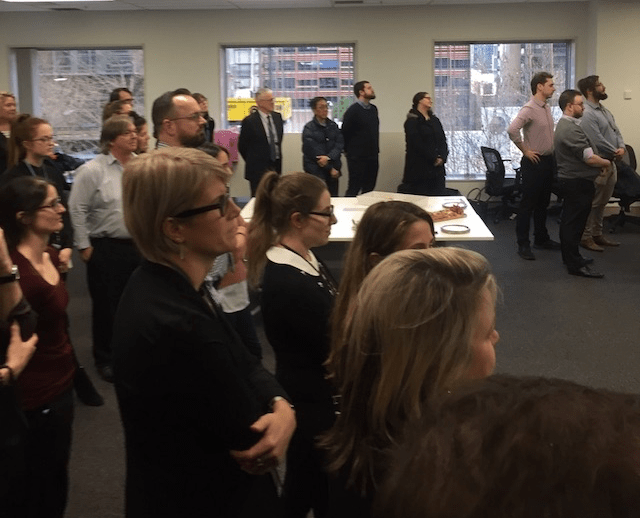
Because it is important for leaders to take time to recognise staff efforts during change 
In the event, stakeholders received certificates of appreciation from the President, VCAT 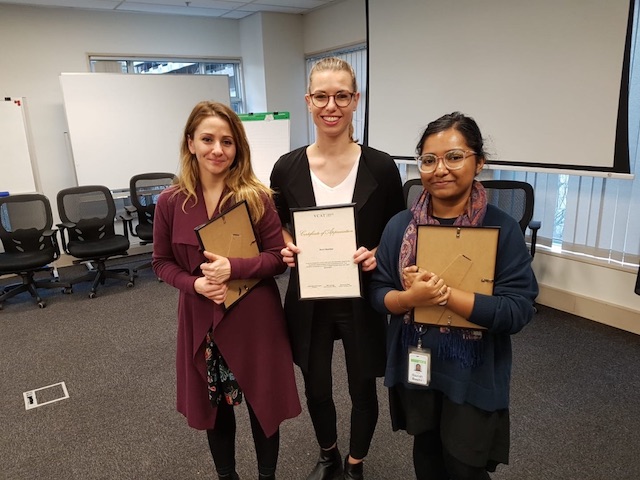
Thank you speeches from leadership and project lead made the stakeholders proud 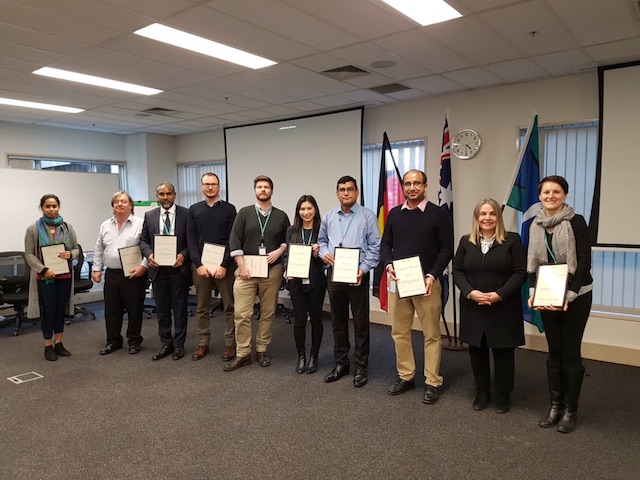
The core project team with their certificates of appreciation 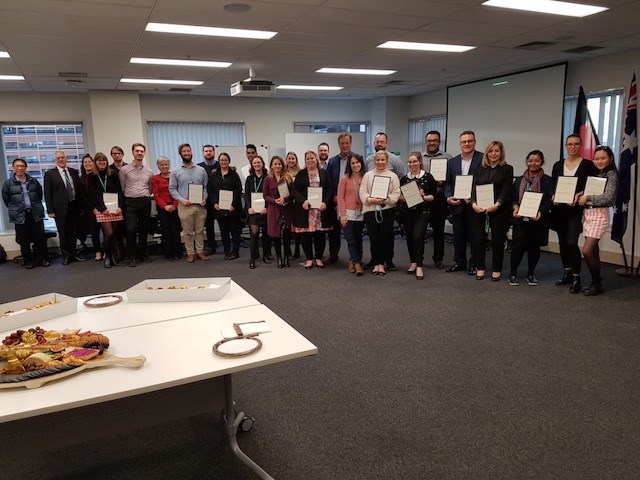
All the stakeholders and the project team
- I lobbied to organise an appreciation event to thank the impacted staff and the project team for their a good job done and was successful with a budget from the project team.
- I drafted an event program, sent out invitations, produced certificates of appreciation, delegated catering and event hosting to organise an appreciation event (see photos above).
RESULTS
GHub 2.0 was launched successfully to the public on go-live day as planned without IT issues or customer complaints. The new digital portal received its first VCAT application successfully, also being an interstate one, on go-live day. The success on the go-live day can be attributed to the following change management measures:
- Sense of urgency. Since the timeframe for change management activities was only 2 months, I developed and leveraged a strong sense of urgency to drive change towards a successful go-live day. The change readiness workshop that I organised was especially useful to help stakeholders focus and manage priority risks in a very short amount of time.
- Staff morale and motivation. I also offered moral support and motivation to the project leader and the team during the 2 months running up to the go-live day. Even though I was seen as a member of the project team, I still managed to built trust and mutual respect with the impacted stakeholders within a short amount of time. The appreciation event that I organised celebrated not only the project’s success but also the organisation’s change maturity while the lessons learnt workshops offered essential next steps for improvements.
- Transparent communication. The launch support website that I designed and built was simple but offered a one-stop information source for the staff. Everything they needed to know was all in one assessable place. It was written in plain language without IT jargon, offered customised FAQs for each impacted stakeholder group and also carried user guides, videos, charts, change tips and useful links and attracted hundreds of visits in the preceding days before the go-live day.
 raavenan.com