
One of my first contributions towards internal communication in APAC HQ was to build a cafe for staff and set-up TGIF
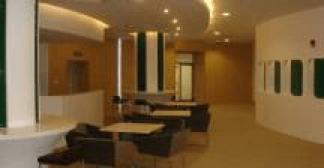
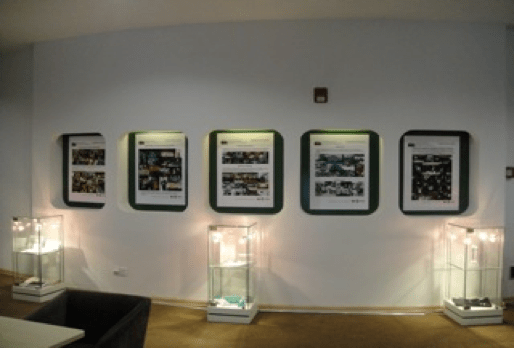

I had a dual communication responsibility: I was heading the APAC corporate communication function and at the same time was also the defacto communications manager for the 200 managers and staff at the Asia Pacific regional headquarters in Shanghai.
One of the first actions that I undertook when I joined the company was to conceptualise and build an employee café in a central location in between the Schaeffler China and Schaeffler Asia Pacific offices in Shanghai to introduce an additional informal communication platform. There were simply too many meetings at that point in time which could have simply been a short and effective coffee conversation.
In addition, I had an ambition for the APAC regional headquarters to display a role model behaviour with regards to town hall meetings. After discussions with our APAC President and my line manager, I initiated a monthly staff information session called “TGIF” (Thank-God-Its-Friday) which blended the typical town hall agenda elements together with quizzes, music and food. The new concept was an instant hit with the staff with high turnouts and became the new town hall meeting format. We shared the new format with our counterparts in the region and supported them to make their own transitions towards more attractive and effective town hall meetings.
Developed a APAC manual and for town hall meetings
The main communication channels used for internal communication activities in Schaeffler at that time comprised of the company’s intranet, staff notice boards and shift briefings in plants, town hall meetings, team meetings, internal newsletters, posters, information brochures, corporate videos and the occasional CEO letters.
Other than China, most of the APAC Schaeffler companies did not have a regular frequency for town hall meetings. There were also other quality issues such as not having a consistent agenda, no clear responsibilities as to who should lead the meetings, late invitations for staff to attend, lack of or insufficient feedback mechanisms to draw out staff’s open input during town hall meetings etc.
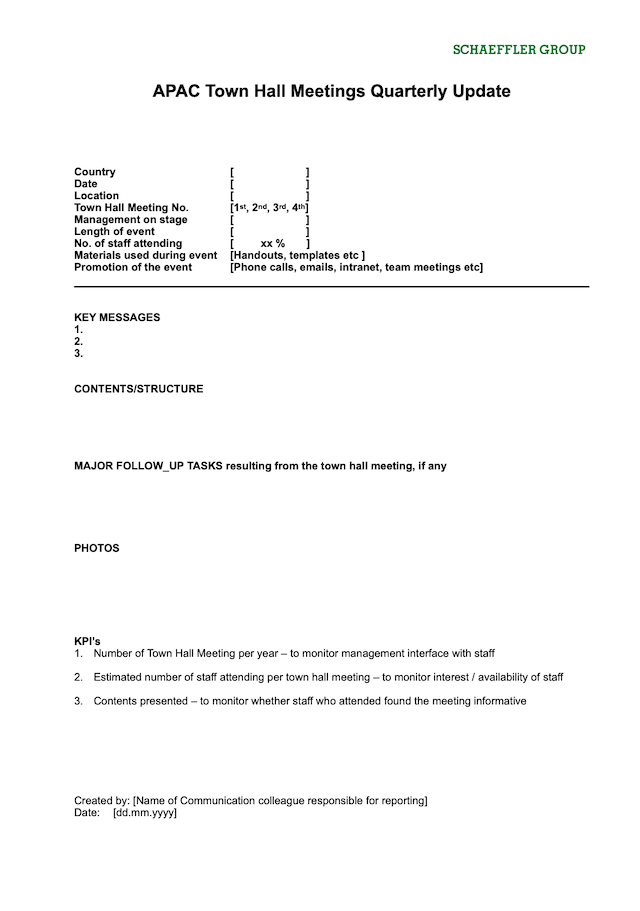
I addressed this immediately with the Asia Pacific Board, gained their trust and support and wrote a manual on how to organise effective town hill meetings which included quality processes, best practices and tips. I organised various sharing sessions to explain the expectations for town hall meeting in the region and circulated the manuals.
Also in time and in discussion with our communication teams, we put in place a quarterly town hall report form which had KPIs which we used to monitor the progress of town hall meetings in the region. Ultimately, success was not immediate and in fact took almost two years before all the Schaeffler companies fully understood and implemented town hall meetings. It also gave us time to make several revisions to our town hall meetings manual to adjust it more to suit the needs and wishes of the various APAC markets. In time town hall meetings in APAC became the staple of our internal communication activities.
Implemented a standard for internal newsletter design

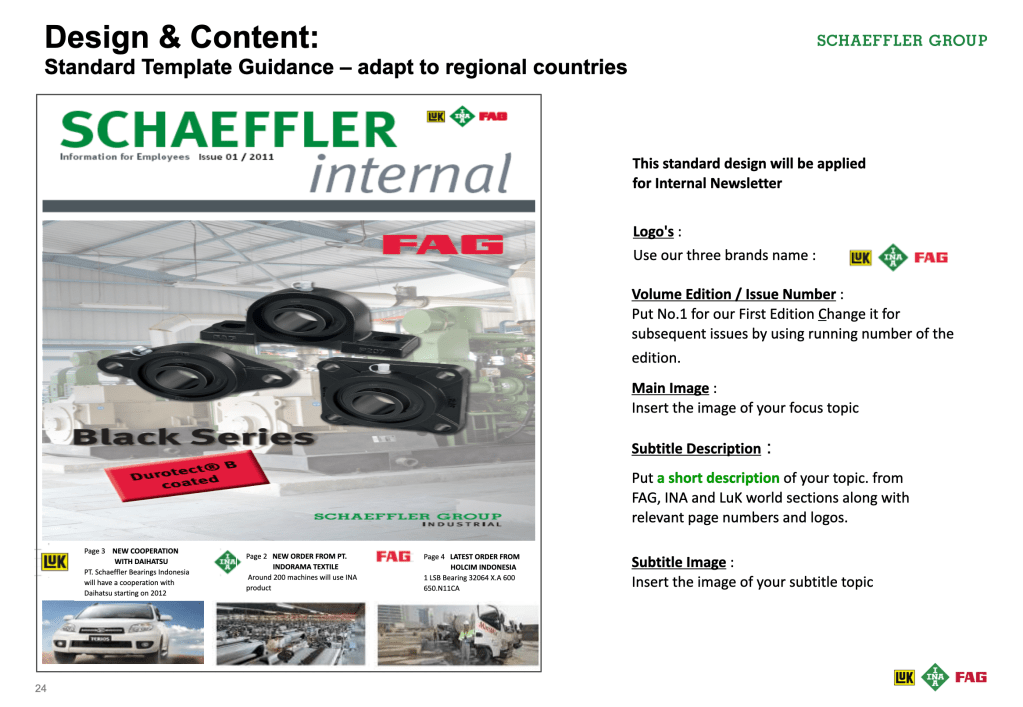
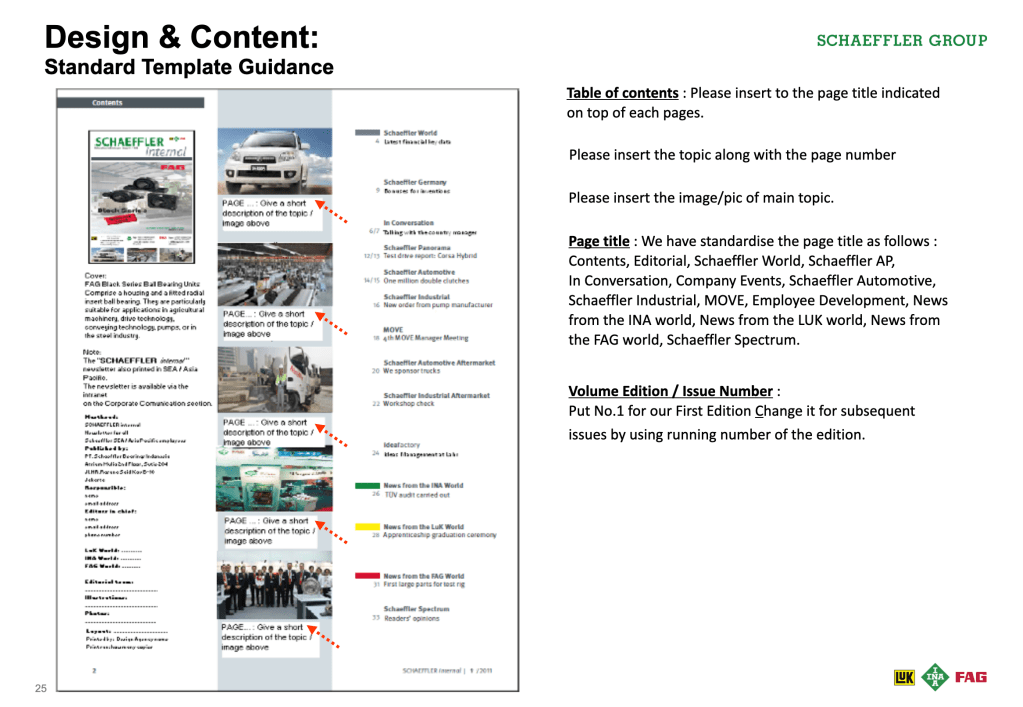

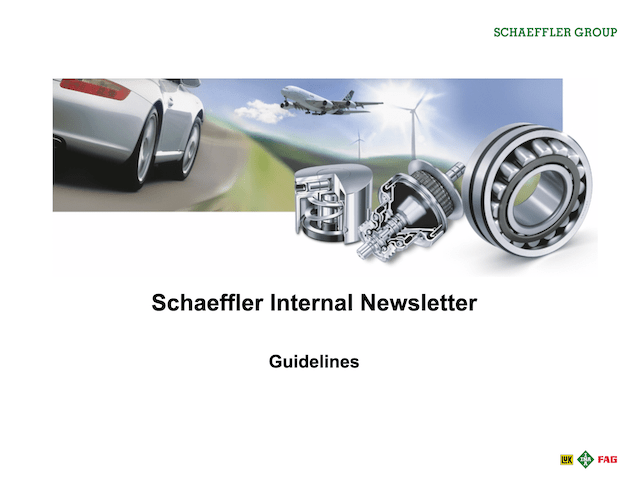
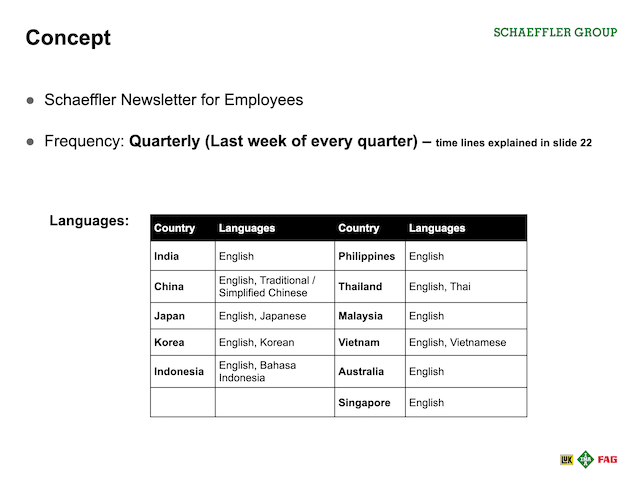
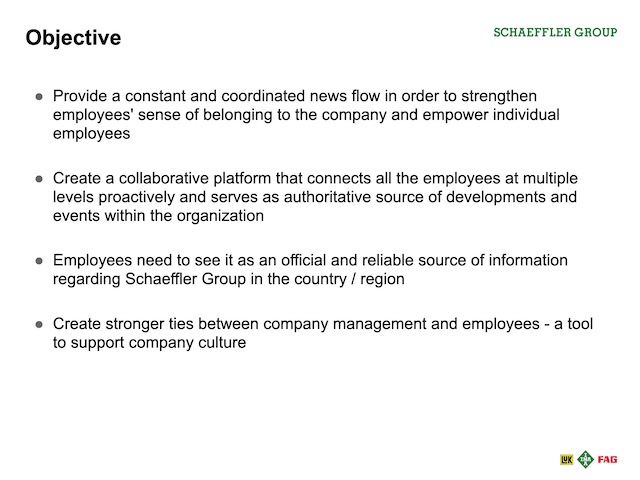
The key markets in the APAC region had several types of internal newsletters at that time in China, India, Korea and Singapore. However they were not all completely following the headquarters’ corporate design guidelines or internal communication policies for newsletters. Therefore I put in an effort to streamline and standardise the internal newsletters with clear responsibilities and proper quality processes.
I also realised that one of the biggest reasons for a lack of consistency in internal newsletters was due to an insufficient understanding of the global internal newsletter template guidelines. I therefore ensured that this understanding was transferred from our German headquarters to our APAC communications community via workshops and meetings. In time and based on these discussions, the APAC communications community had clarity and purpose and aligned towards a standard template that everyone had an ownership to.
Established quality processes for publishing newsletters
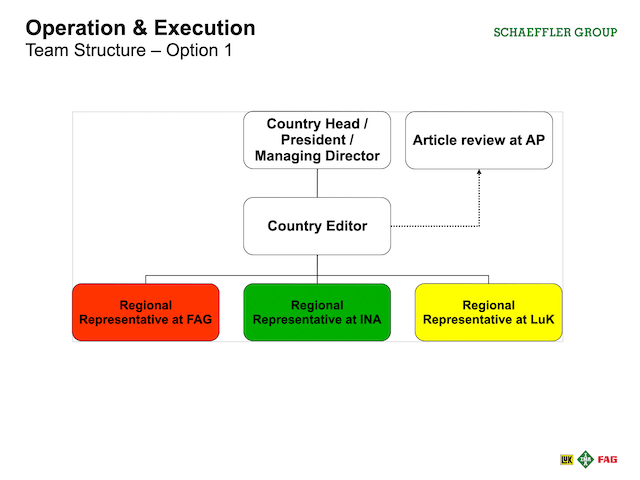
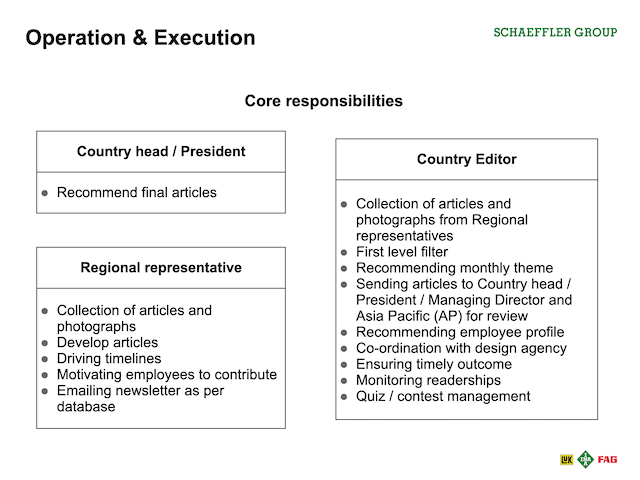
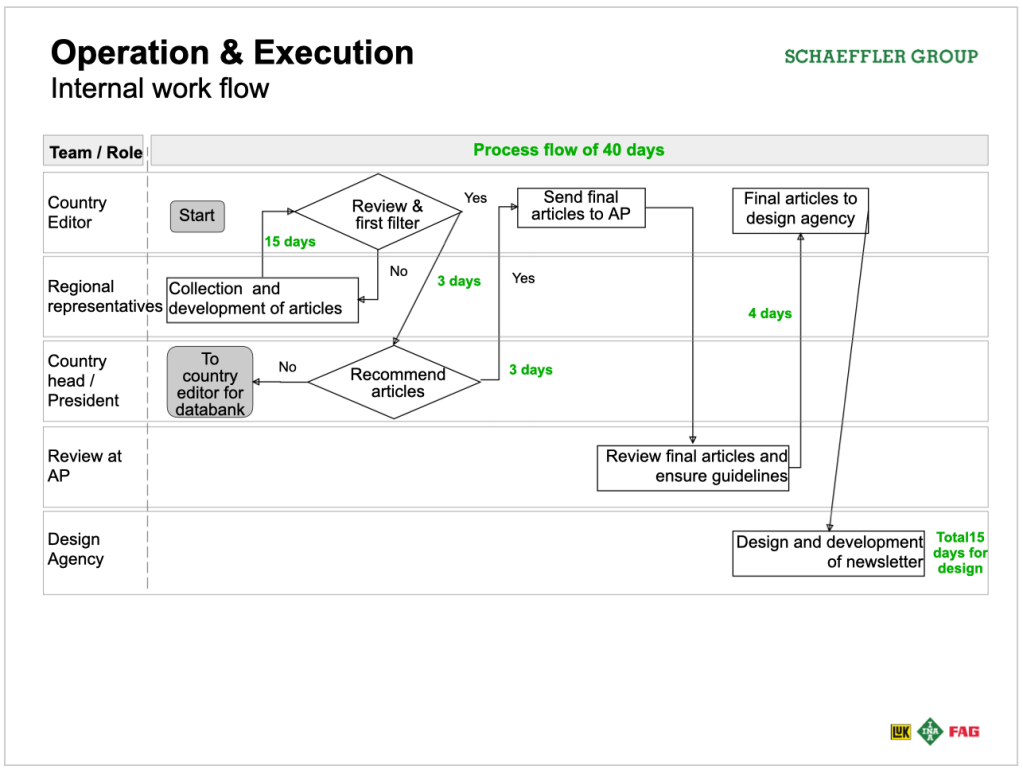
It was not only sufficient having an aligned internal newsletter template but we also needed quality processes to publish the newsletters on time with proper editorial policies. My APAC communications team developed an internal work flow chart for the operation and execution of the internal newsletters as well as standardised issue and approval datelines. Here are some examples of these processes:
How success looked like after 2 years
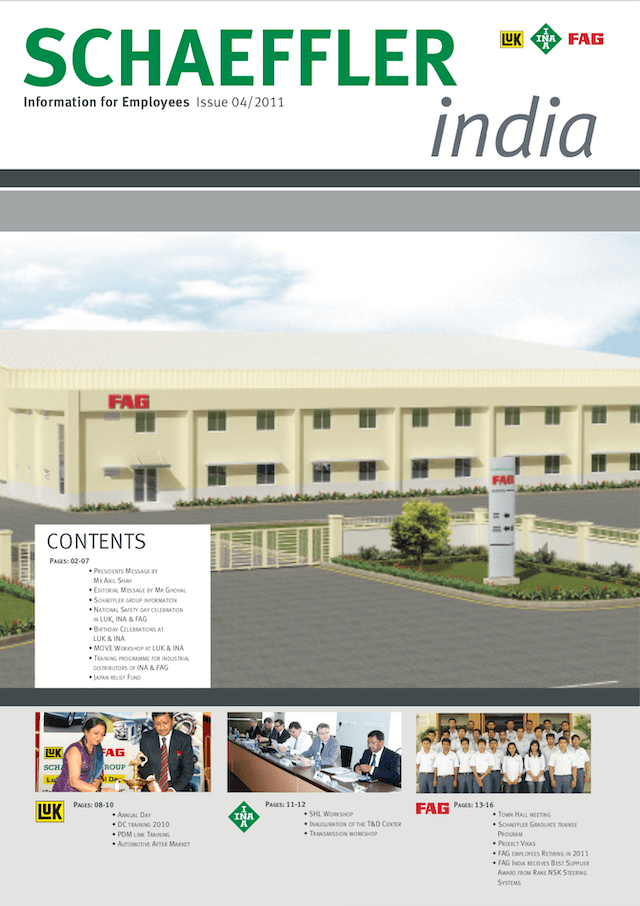
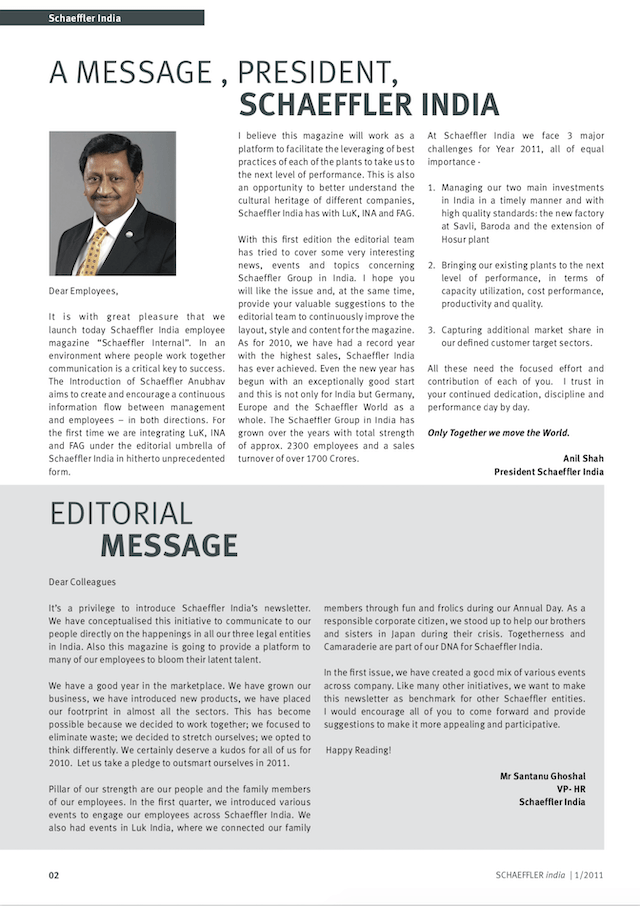
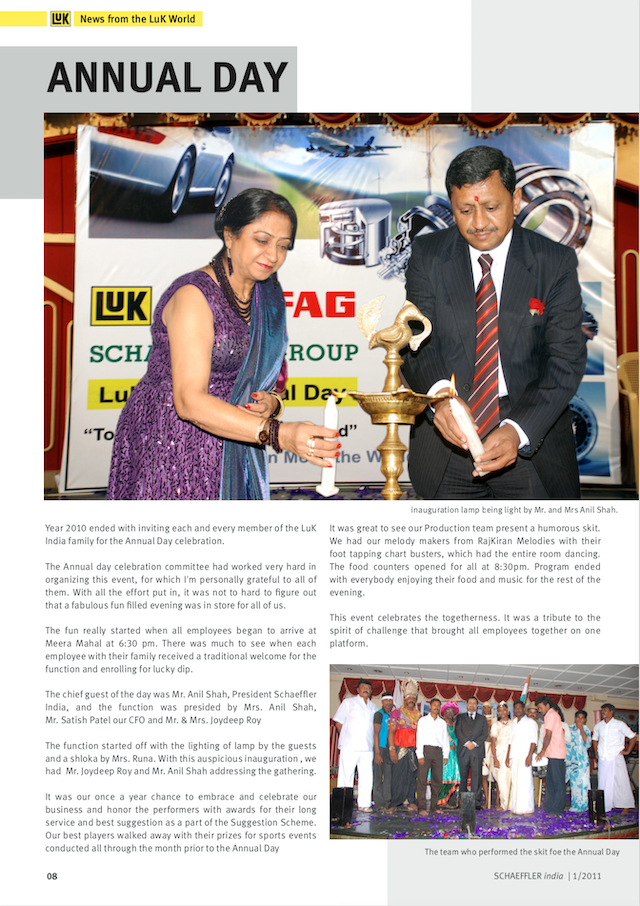
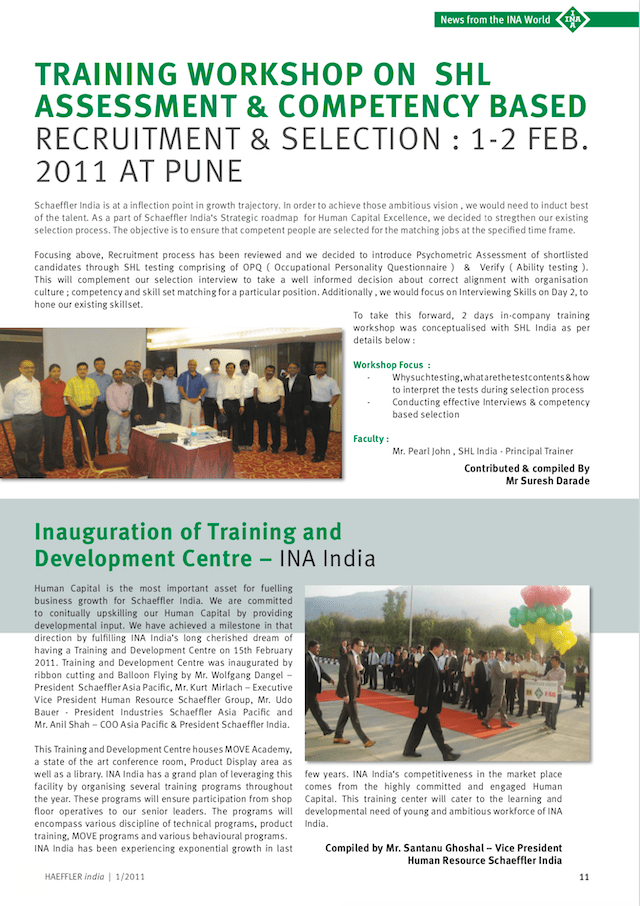
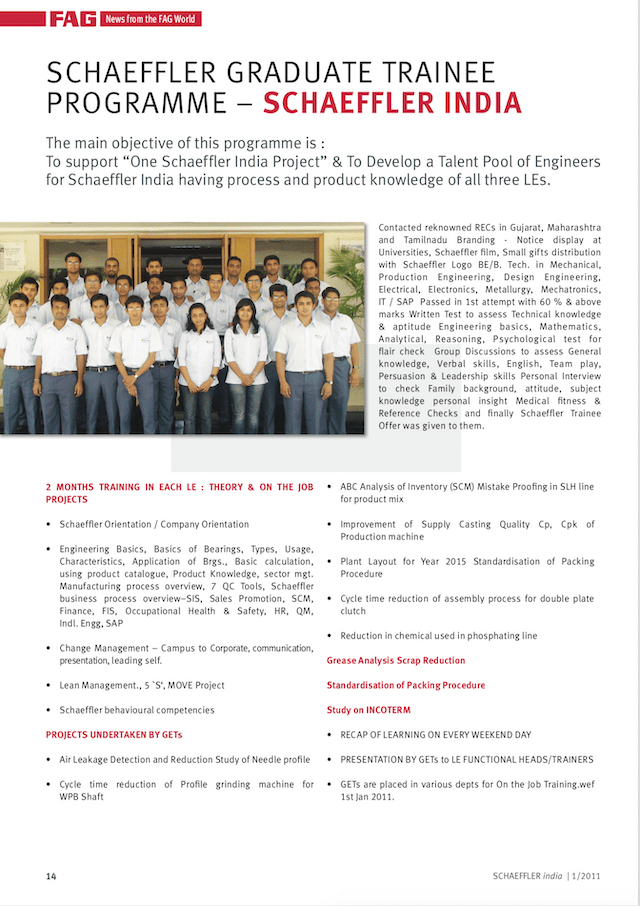
The first APAC country to fully adopt the new template and quality processes was Schaeffler India (see some pages from the inaugural newsletter above). It was a low hanging fruit for the internal newsletter standardisation effort as Schaeffler India as a legal entity was just being created by merging the FAG, INA and LUK companies in India and they needed an internal newsletter urgently.
Following this pilot success, Schaeffler China and Schaeffler Singapore followed suit. Schaeffler Korea continued to publish its staff magazine in a lifestyle format and needed more time to reconsider its options.
 raavenan.com