
(1) Brought together the APAC communications people first
APAC communications is a new function. The APAC Communication function was a new function being set-up at the regional headquarter level in Shanghai. Communications teams from the various Asia Pacific countries have been functioning independently and without collaboration till then.
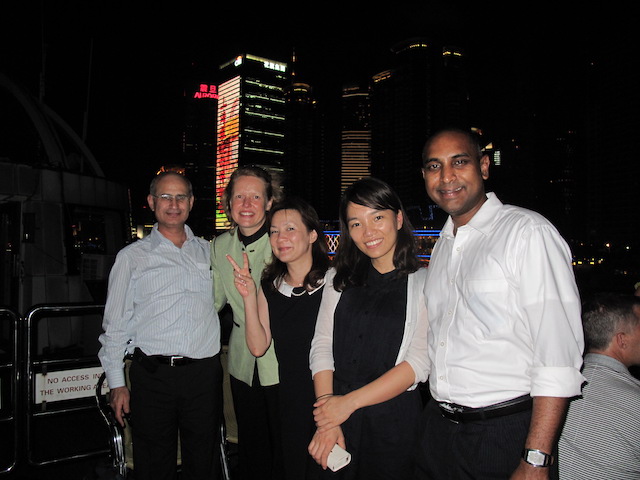




Four direct and seven indirect reports. My direct reports were managers whom I hired later in the journey and were responsible for APAC internal communications, press relations, trade fairs and events and digital marketing. Whereas my indirect reports were the communication managers of the various Asia Pacific markets China, India, Japan, Korea, Australia and Singapore (representing Southeast Asia).
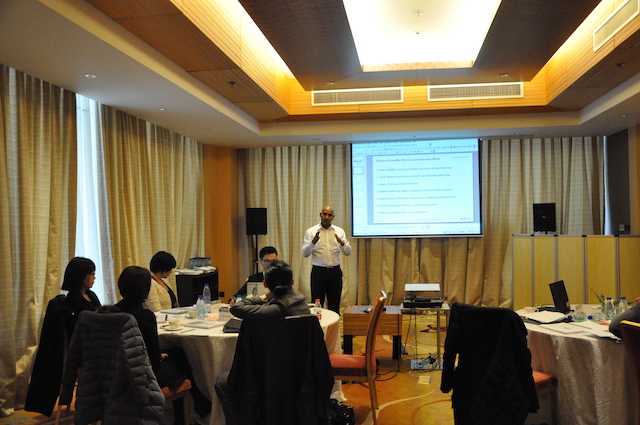
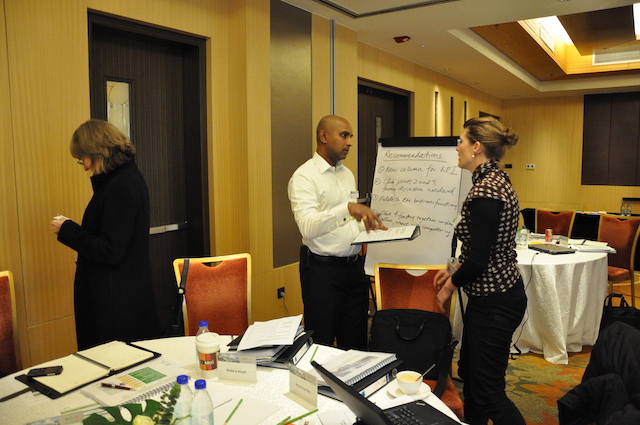
Bringing the minds together. My first task was therefore to bring the people behind the communication roles in the region together via workshops, meetings and one-to-one discussions. There must be a meeting and understanding of the minds first before we can discuss new ideas and solutions forward.
Setting up a virtual working team space. I supported this process with a shared Microsoft Sharepoint space as a virtual home for the APAC community. These initial conversations were highly valuable to me to understand the colleagues and the culture and environment of their local organisations.
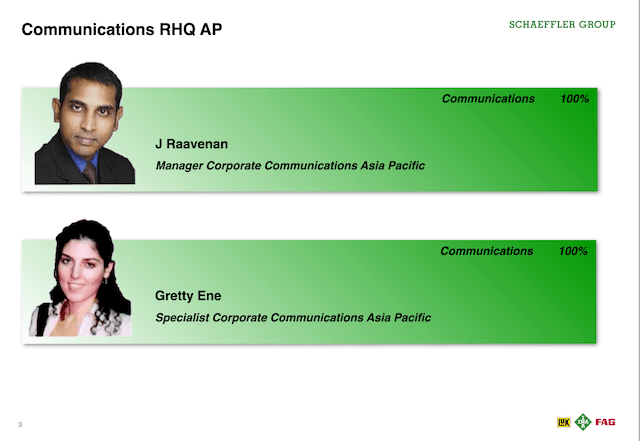
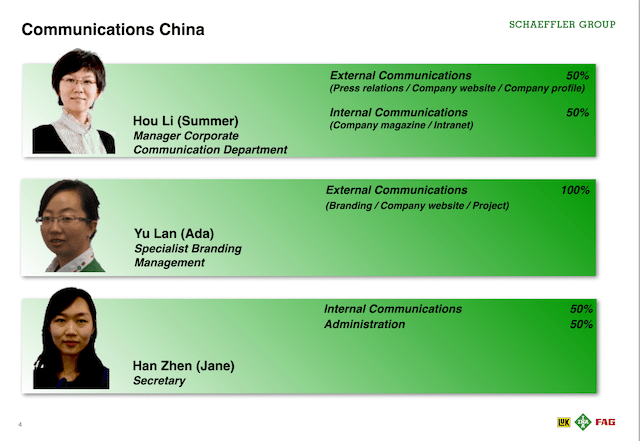
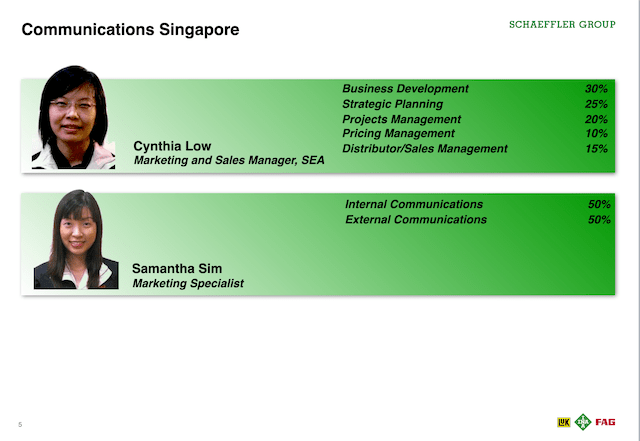
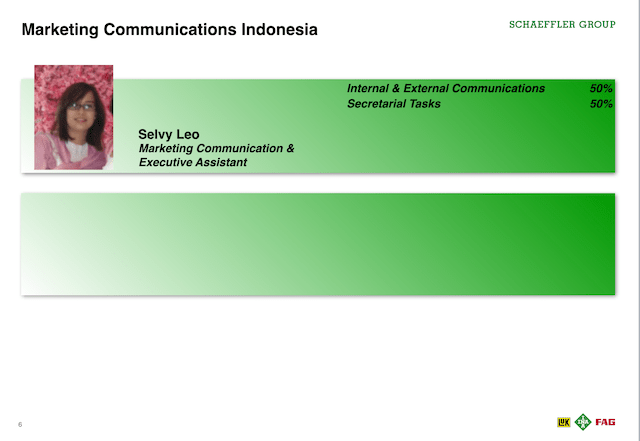
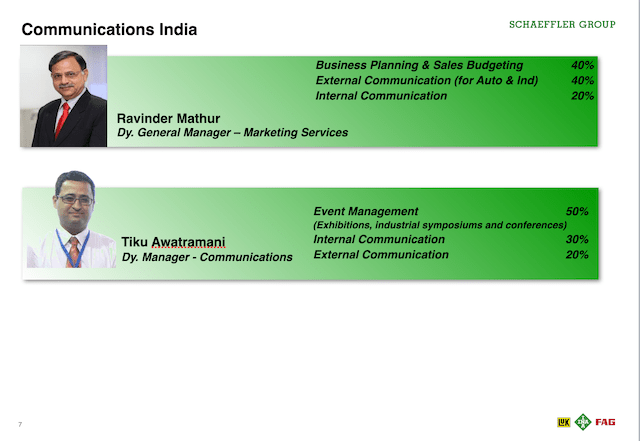

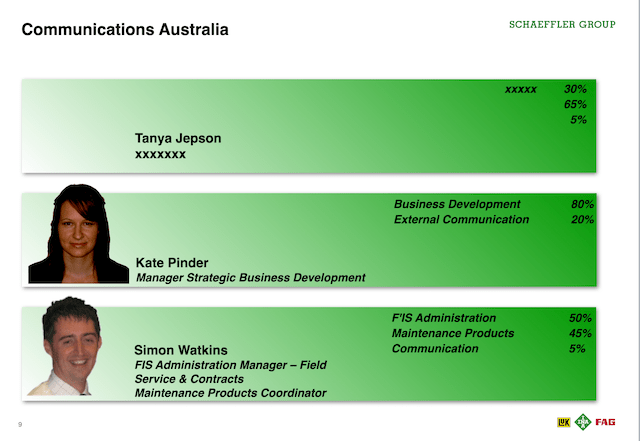

Found a reliable partner in Schaeffler China. Schaeffler China had the largest and most experienced communications department in the Asia Pacific region. I therefore naturally partnered with Schaeffler China communications colleagues often when brainstorming and discussing next steps for the Asia Pacific region. I encouraged them to share their experience and knowledge and to help their mates and colleagues in the region.
(2) We identified our gaps and also learned from the mistakes and best practices of other international companies
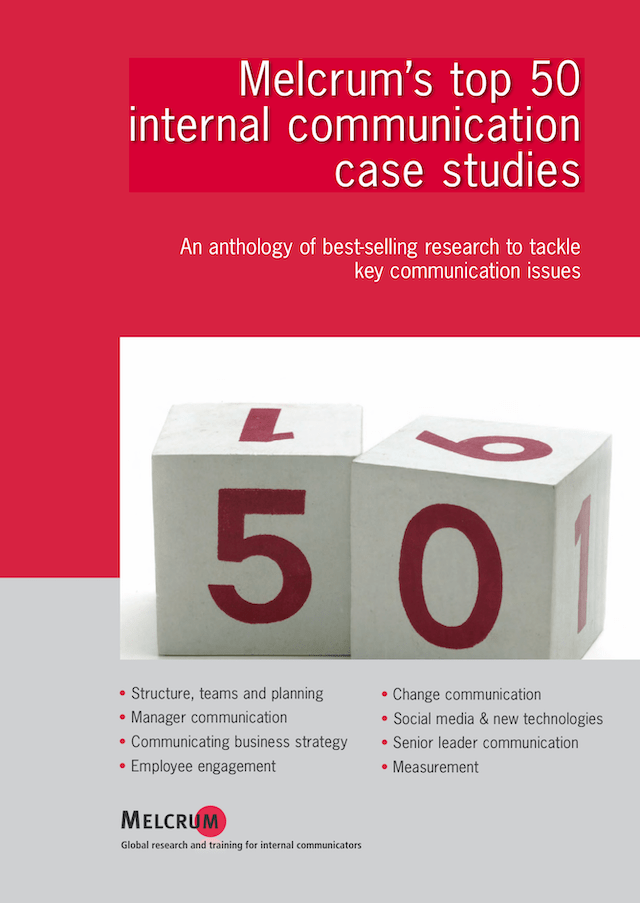
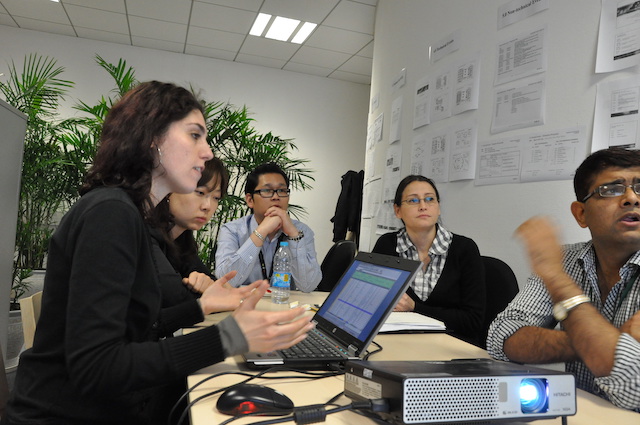
Communication case studies from Melcrum. I leveraged on the real life internal communication case studies from Melcrum, an Australian communication training specialist to train and coach my communication managers and staff during these meetings and workshops.
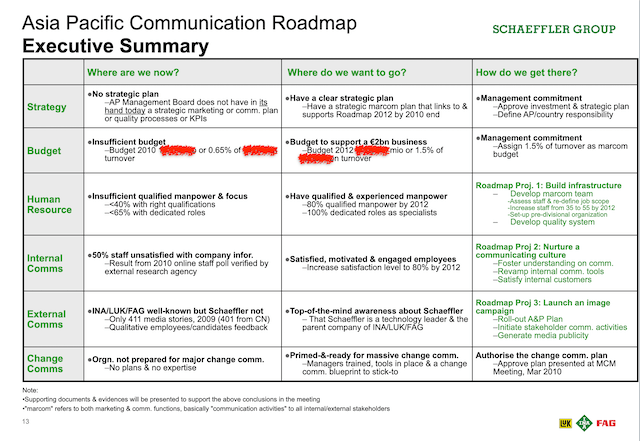
Communication gap analysis and audit. They poured 50 case studies on some of the best practices from leading international companies especially with a manufacturing footprint in Asia Pacific. We discussed and debated and distilled the most suitable ideas to address areas of improvement in APAC communications which we identified following a gap analysis and communication audit.
Input from leadership and business. This process also had the valuable input of our Asia Pacific President as well as my line manager, SVP for HR APAC. I developed a deep understanding of their motivations and ambitions for the region and received their ideas on how the APAC communication function can contribute to the company’s business vision and mission. I also had long dialogues with key stakeholders such as the heads of departments in direct as well as indirect areas to receive their feedback and suggestions for further developments.
(3) We developed a APAC communications vision and a 3-year roadmap to close gaps

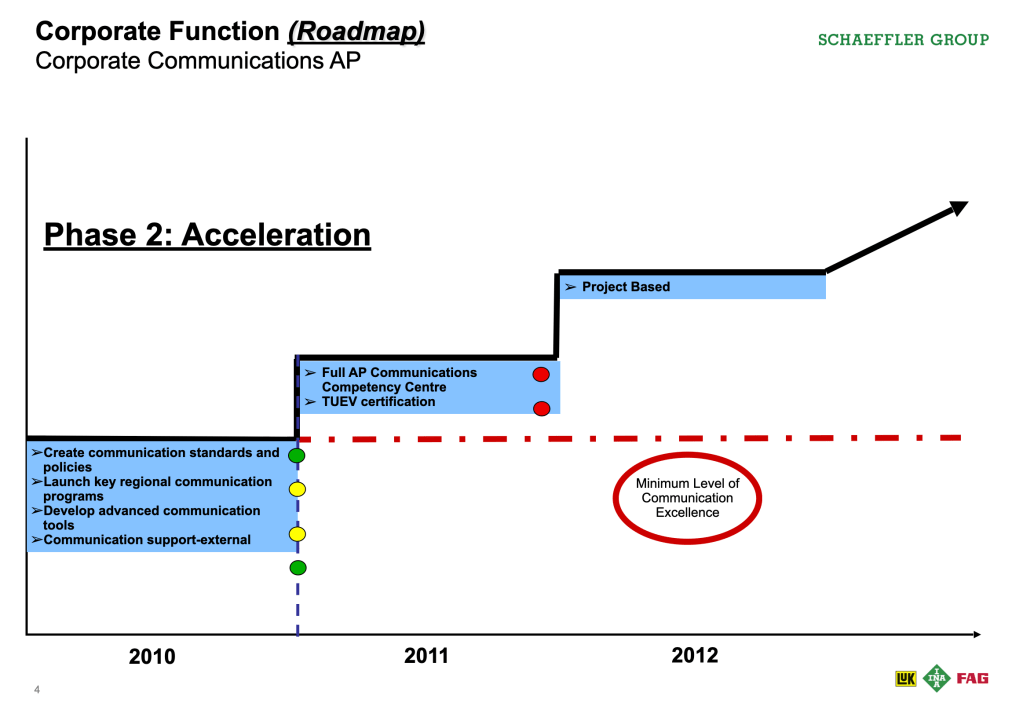
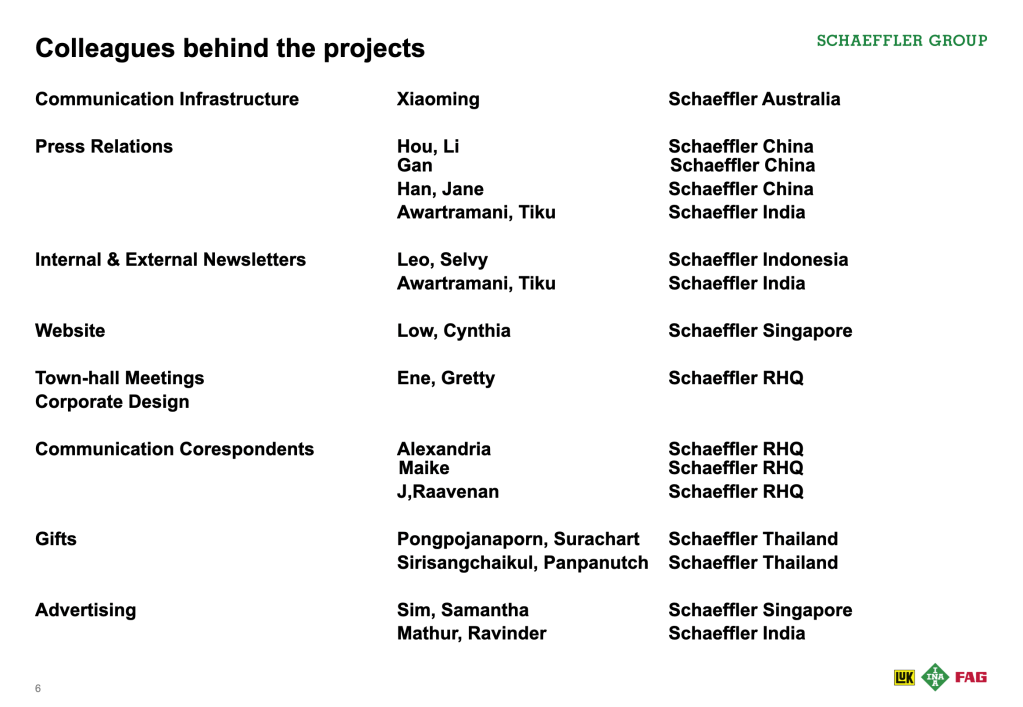
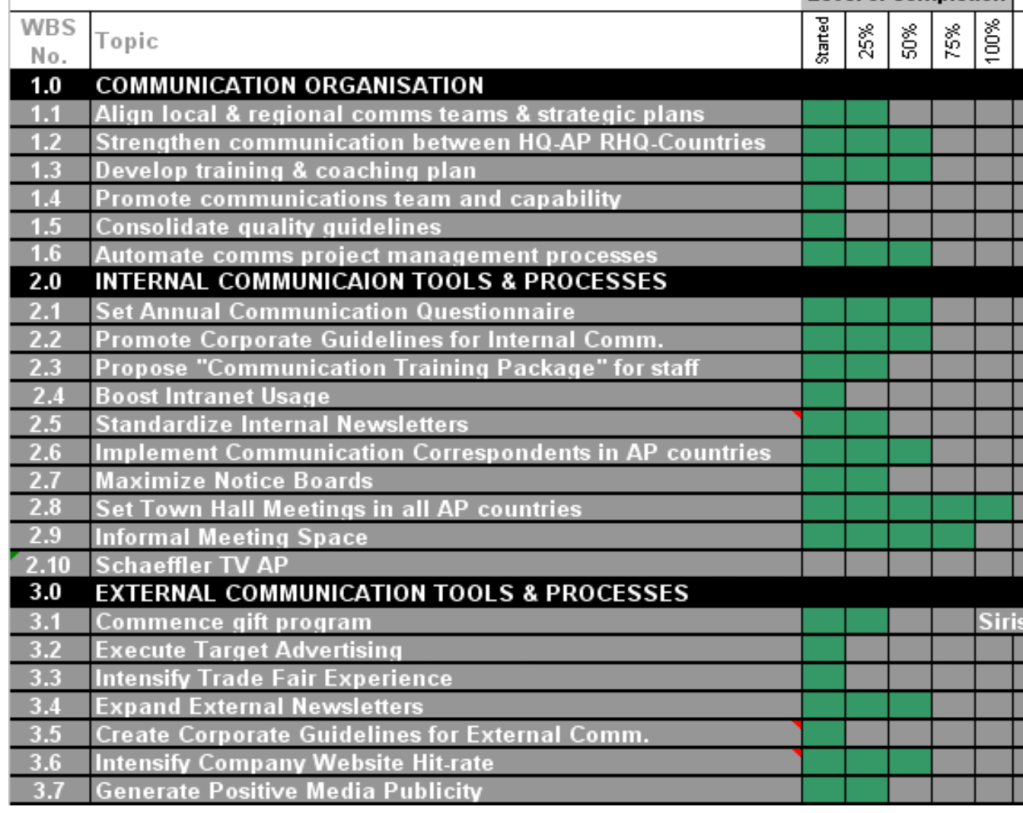
Communication roadmap prioritised with two phases and three focus areas. Based on these discussions at multiple levels, I developed a team vision that everyone felt being a part of and facilitated them to develop a three year communication roadmap from 2009 to 2012. The roadmap was divided into two phases of stabilisation and acceleration and focused on the following three key areas (see above as well):
- Strengthening the communication organisation in the Asia Pacific region
- Improving internal communication tools and processes
- Developing the company’s external communication tool and processes
Examples of communication roadmap projects. Some of the APAC communication projects in this website are summaries of the direct outcomes of the roadmap such as:
 raavenan.com