
The case for public relations and against advertising
Target audiences were getting increasingly sophisticated and skeptical. Advertising campaigns with strong selling propositions were being tuned out. However, public relations, long viewed as the most trust worthy source of information can effectively reach targets when advertisements could not.
However our company, like many other companies at that time, traditionally spent the bulk of its marketing dollar on random newspaper and magazine advertisements every year. But as soon as I joined the company and set-up a marketing function, I managed to convince the management to drastically reduce these advertising costs.
I then diverted the savings into building and implementing a strong public relations strategy for the company. I have to say that it did take some time but as soon as the public relations machinery was in place and running, the company was generating a continuous stream of positive, credible, independent publicity news every year and in each of our markets, at a fraction of the original advertising cost.
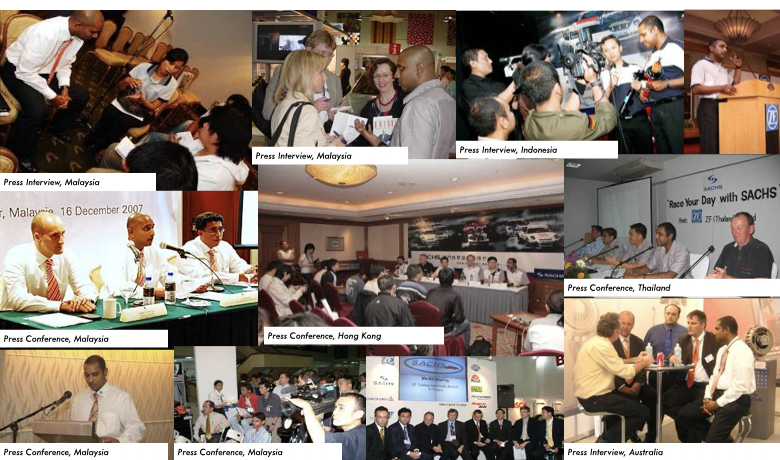
Building the public relations machinery
Firstly, I worked closely with our public relations director in our German headquarters to understand our global corporate media policies, corporate key messages and to also leverage on some of their rich resources. Secondly I ensured that internally we aligned on our key messages and stories and that our leadership and was coached to become spokespersons of the company.
Thirdly developed a set of high quality press materials with press releases, fact sheets, FAQs, photos, product samples etc to be used in press activities. Fourthly I established a network of reliable press agencies and media monitoring companies in the Asia Pacific region on a retainer basis to be our ears, eyes and hands on the ground. Lastly, I encouraged my marketing colleagues to take the time to build mutually beneficial relationship with key local journalists in each market.
Leveraging our motorsports sponsorships for stories
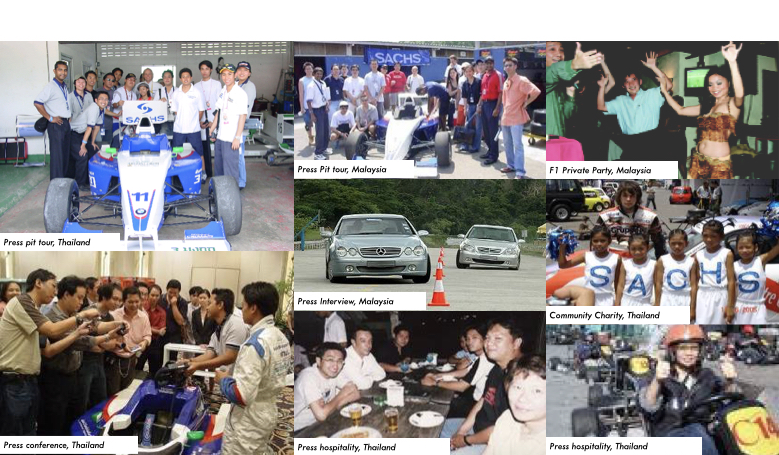
Our German headquarters had an active global motorsports sponsorship program. It sponsored hi-tech products for eight F1 teams including Ferrari and BMW and also sponsored other races such as Porsche Carrera Cup, 24 Hours of Le Mans, World Rally Championships, Formula BMW, Super V8 Championships etc. Most of these global races had a racing calendar in Asia Pacific as well.
These sponsorships offered us exclusive media rights as well as free access to paddock tours, VIP hospitality, press activities etc. After discussions with our motorsports sponsorship and public relations teams in Germany, I encouraged our local marketing teams in each country to extract out the maximum publicity possible out of these motorsport sponsorships to create publicity using our new public relations machinery. They worked with local press agencies to bring our key customers and journalists to experience these motorsports activities in a variety of different ways.
These sponsorships offered us exclusive media rights as well as free access to paddock tours, VIP hospitality, press activities etc. After discussions with our motorsports sponsorship and public relations teams in Germany, I encouraged our local marketing teams in each country to extract out the maximum publicity possible out of these motorsport sponsorships to create publicity using our new public relations machinery. They worked with local press agencies to bring our key customers and journalists to experience these motorsports activities in a variety of different ways.
Bringing it all together
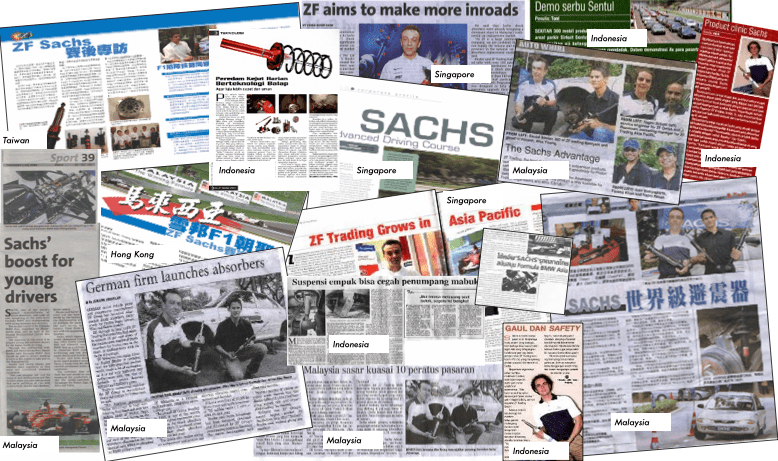
In time, the public relations strategy that I developed were generating a steady stream of free positive publicity in newspapers and magazines which were the main media channels at that time before the advent of social media tools. It was a space that our competitors were not using, it was there and free and we went in developed a first mover advantage.
Although our performance range of products were the main beneficiaries of the publicity generated in terms of branding and additional sales, it did have a substantial amount of spill-over effect onto our standard ranges.
Today social media tools are even more influential compared to traditional communications channels. You don’t have to build a brick and motar public relations machinery now as everything is online and digital. These technological improvements in effect help us to bring our public relations aspirations to new levels at a fraction of the costs twenty years ago. However, the difficult process and challenges of preparing a company to build its image and brands using public relations is the same:
- Seek alignment with global headquarters
- Get the local leadership, key messages and stories ready
- Prepare a set of high quality press materials
- Set-up a network of supporting agencies
- Start building relationships with journalists
It takes a lot of discussions, planning and hard work to develop a public relations strategy which is right for the company and its brands and even more hard work to bring all the internal and external stakeholders together to support that strategy.
 raavenan.com